Clinical Governance Day Summary 19 November

AKA ‘The Matt Ward Show’

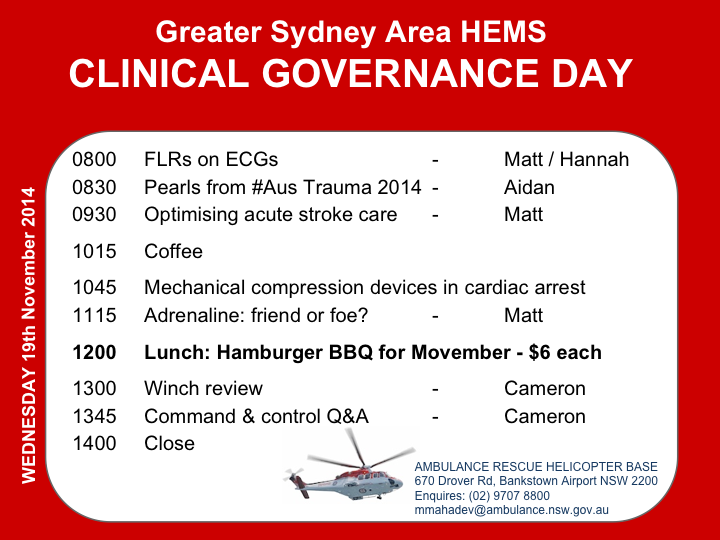
There was a really great turnout for a jam-packed Clinical Governance Day with a series of great presentations. It was clear that everyone involved in presenting had put a great deal of time and effort into their talks, which was appreciated by the entire audience.

We were fortunate to be joined by Matt Ward, lead paramedic for Emergency Care at the West Midlands Ambulance Service in the UK. He was able to share a wealth of experience, having worked as a paramedic in th e UK for over 15 years.

Pearls from AusTRAUMA 2014

Aidan gave us a whistle-stop tour of some of the many highlights of the Australasian Trauma Society conference, recently held in Sydney. With an all-star international cast including Karim Brohi and John Kortbeek, as well as SydneyHEMS’ own Brian Burns and Oran Rigby it sounded like the audience were treated to a smorgasbord of high quality lectures, covering every aspect of trauma imaginable.

https://twitter.com/JasonMusci/status/518288033334837248


The conference was also an opportunity for the Australian Trauma Registry to publish their inaugural report into trauma care across Australia with 25 of the 27 designated Trauma Centres contributing data between 2010-2012.

Trauma 2015 is happening on 2-4 October in the Gold Coast – for those of you who haven’t blown your entire study leave budget on SMACC Chicago!

Optimising Acute Stroke Care

Matt presented work carried out in the West Midlands looking at the impact of prehospital assessment and hospital pre-alerts on the subsequent acute stroke care pathway.

Paramedics applied the FAST (Face, Arm, Speech, Time) rule, as well as recording the time of onset of the suspected stroke. Results showed that FAST tests were positive in 75% of cases, with the time of onset recorded in 40%. A pre-alert was phoned through to the hospital in 44% of the cases.

After adjusting for confounding factors, the study found that there was an association between a positive FAST, a recorded time of onset or a hospital pre-alert and a timely CT scan.

West Midlands Ambulance Service have recently started piloting the use of AVVV, as an equivalent to FAST but for identification of posterior circulation strokes. Although it is at a very early stage, anecdotally it sounds as though it has aided the service in the identification of a number of stroke patients who may otherwise have been missed.

  • Ataxia
  • Visual field changes
  • Vertigo
  • Vomiting

Mechanical Compression Devices in Cardiac Arrest
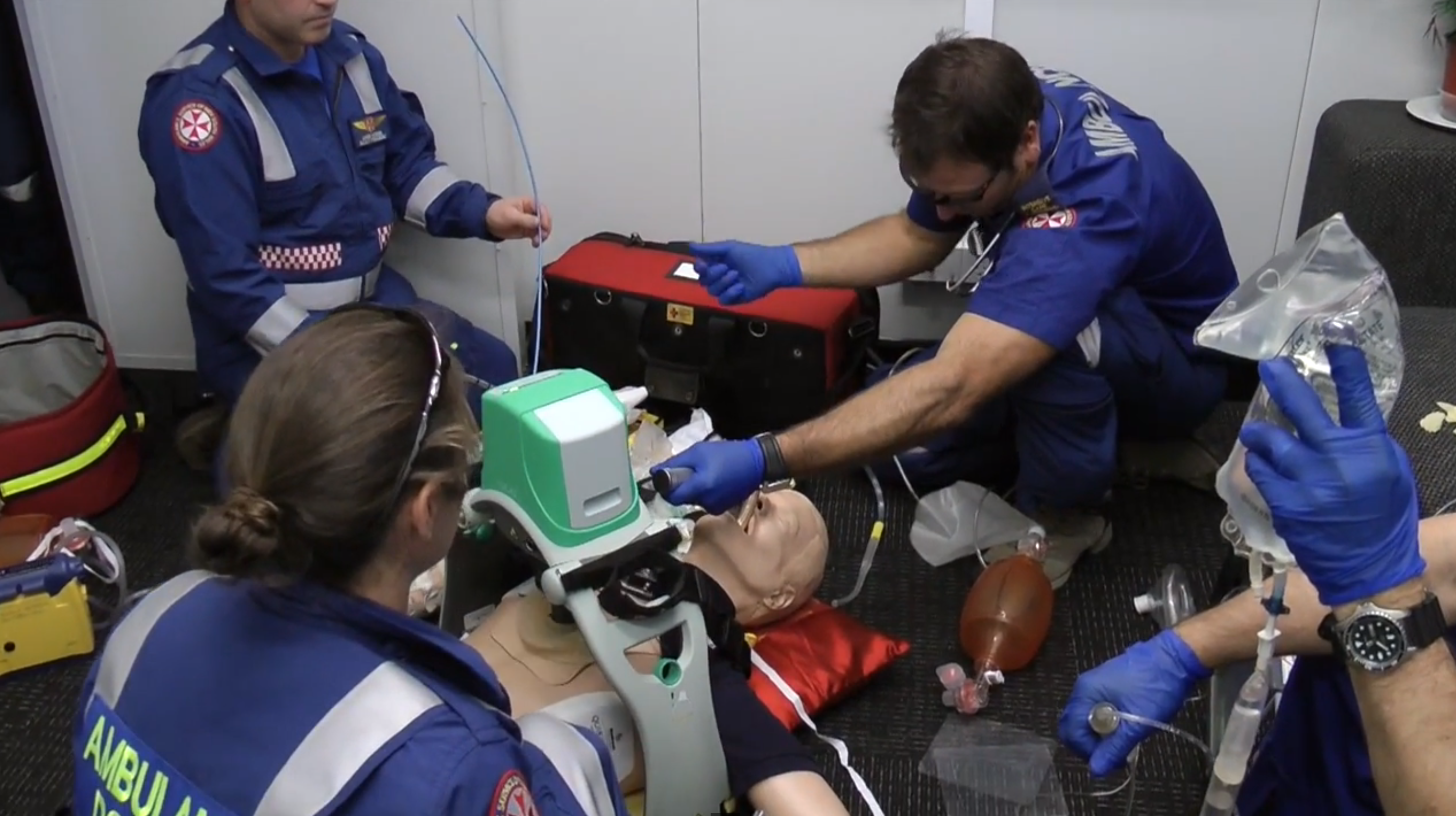
Screen Shot 2014-01-07 at 6.57.22 pm

Sydney HEMS team practicing with the LUCAS 2 device

Hot off the press, Matt talked through the recently published PARAMEDIC trial, comparing manual CPR to mechanical CPR in the treatment of adult non-traumatic cardiac arrest. With 4471 patients recruited, it was suitably powered to find a 2.5% difference in 30 day mortality.

In keeping with the previously published LINC trial, there was no evidence of increased survival at 30 days (6% in the LUCAS-2 group and 7% in the manual CPR group).

Subgroup analysis found a marginally worse neurological outcome in patients presenting with an initial shockable rhythm. This should be interpreted with caution however; one hypothesis was that there was a pause in manual chest compressions as well as a delay delivering the first shock due to the time taken for placement of the LUCAS device

For more detail, head over to St Emlyns where theres is an excellent review of the article

Adrenaline: Friend or Foe?

Matt then went on to talk about the upcoming PARAMEDIC2 trial, which is an exciting randomised controlled trial comparing adrenaline to placebo in the management of out of hospital cardiac arrest. The study started in March 2014, running across five different ambulance services in both England and Wales.

Population – 8000 patients following out of hospital cardiac arrest. Children and pregnant women are excluded but interestingly trauma patients will be included in this trial.

Intervention – standard ACLS treatment, receiving either adrenaline or placebo

Control – standard ACLS treatment with adrenaline as per UK resuscitation guidelines

Outcome – the primary outcome is survival at 30 days.

It is thought that data collection will be ongoing for the next three years, with a plan to publish the results by 2019.

Command and Control

Following lunch, Cameron Edgar updated the doctors and paramedics on the latest developments in the command and control policy, in particular its relevance to pre-hospital jobs where winch insertion or extraction are likely to be required.

The bottom line seems to be that:

  • The air crew do not require permission to winch into a patient’s location. The pilot and aircrew will perform a winch risk assessment prior to insertion
  • In order for a patient to be extricated by winch, a Zone Manager first needs to determine the most appropriate method of patient extrication
  • The decision will be based on advice from ground and air crews
  • Winch extrication should not be undertaken when other safe, clinically and operationally appropriate options exist
  • A pause point has been introduced prior to winching the stable, non-time critically injured patient to ensure that all available information has been thoroughly assessed before committing to a decision

Next Clinical Governance Day is on Wednesday 3 December
Posted in Presentations | Tagged , , | Leave a comment

Wilderness Major Incident response: as challenging as it gets?

Interesting videocast involving our very own Yash discussing the improvised medical response at Everest Base Camp to the devastating avalanche earlier this year.

If you’re interested in wilderness medicine and want to see more stuff like this, check out their website: http://theadventuremedic.com/.

Posted in General PH&RM | Tagged , , | Leave a comment

Escharotomy Man 2.0

By Sydney HEMS registrar Jamie Andrews

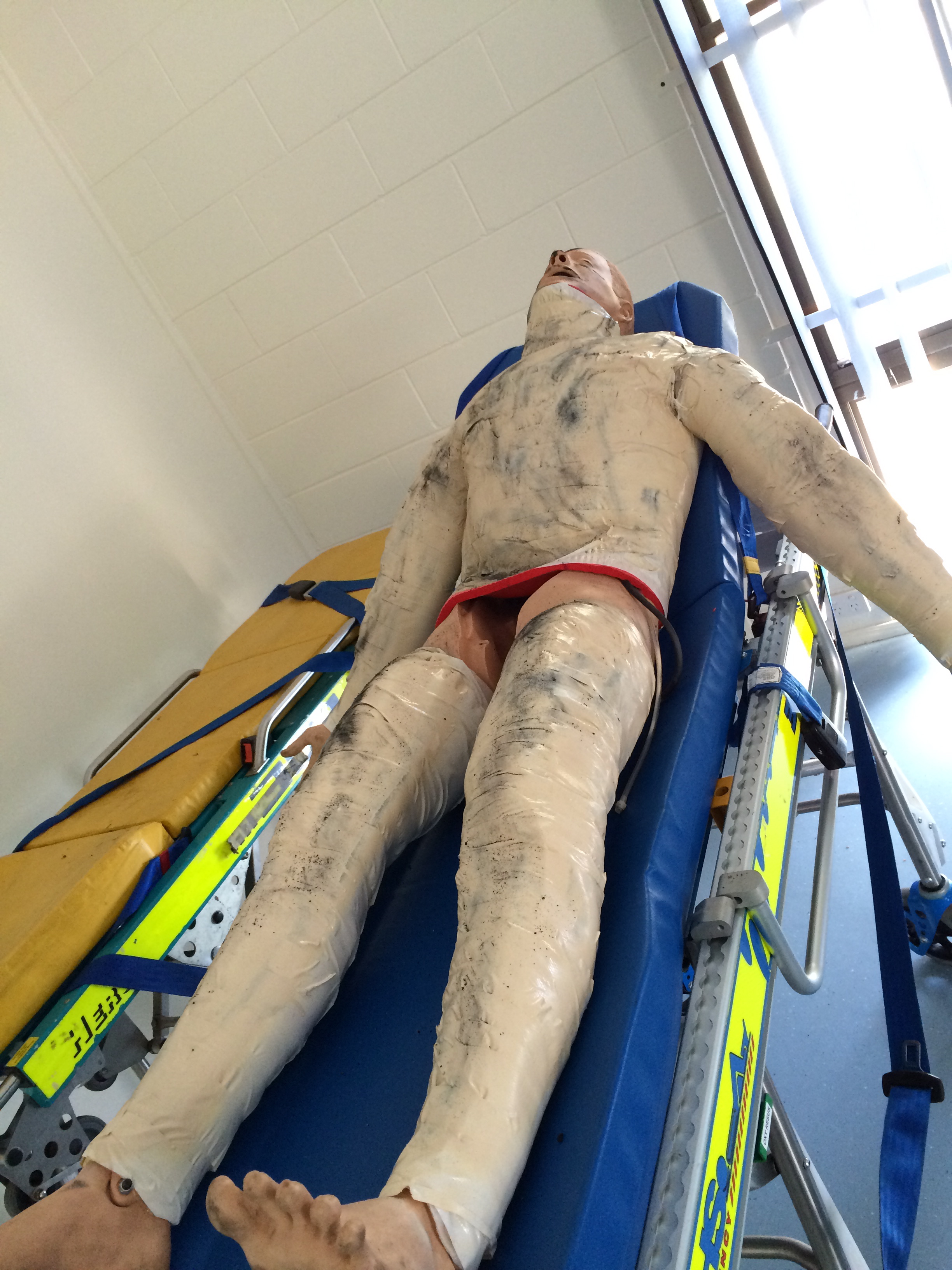
For Clinical Governance Day on 5th of November 2014, (Burns theme for Guy Fawkes Night care of the UK contingent!) I was tasked with re-producing Dr Ed Burns’ escharotomy model. Ed had previously hoped that the model could be made to bleed when cut to the appropriate depth to more accurately simulate the procedure itself.

Using the instructions on the Sydney HEMS website  I obtained the necessary equipment from K-mart and Bunnings (No financial incentives provided).

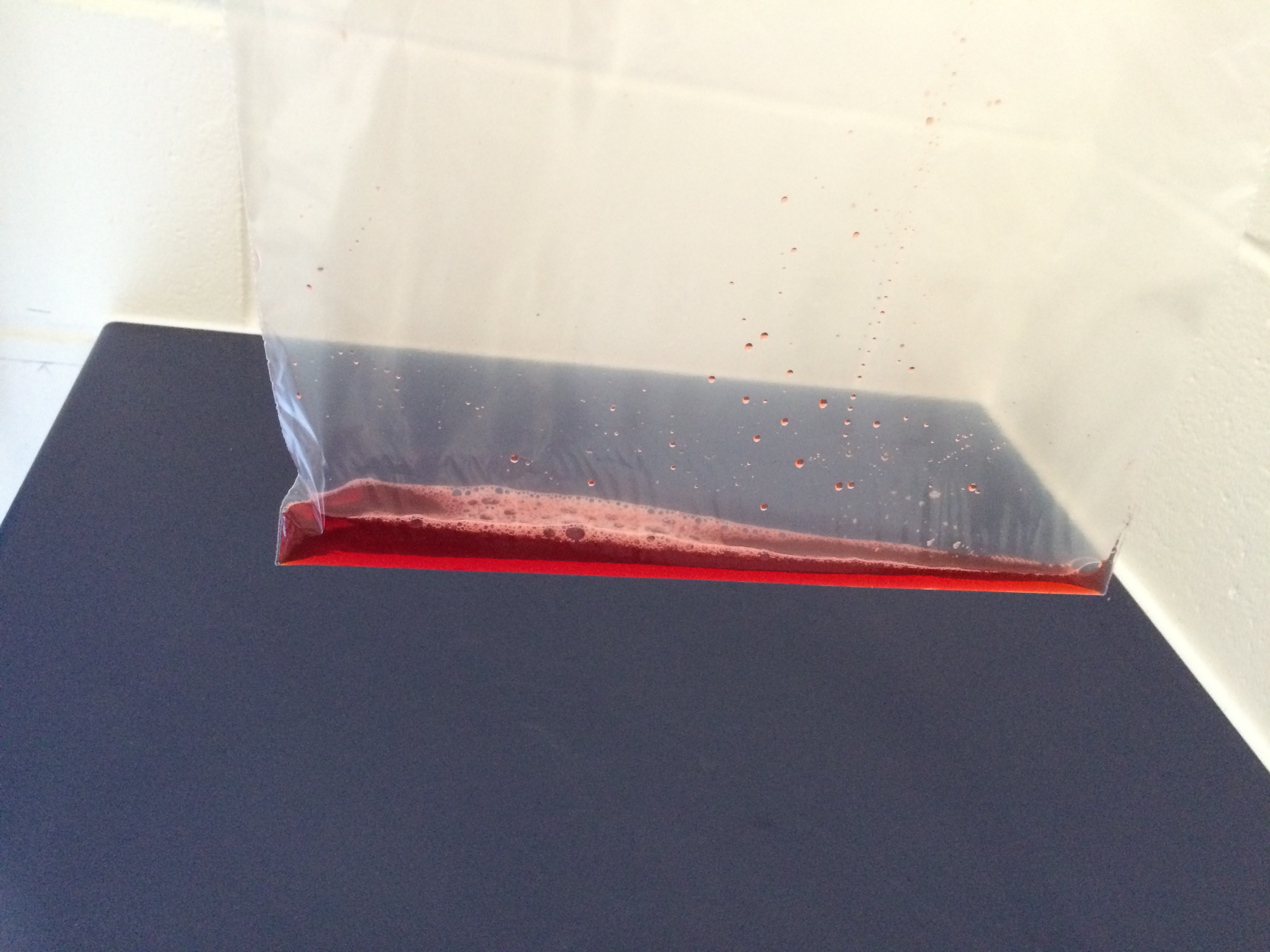
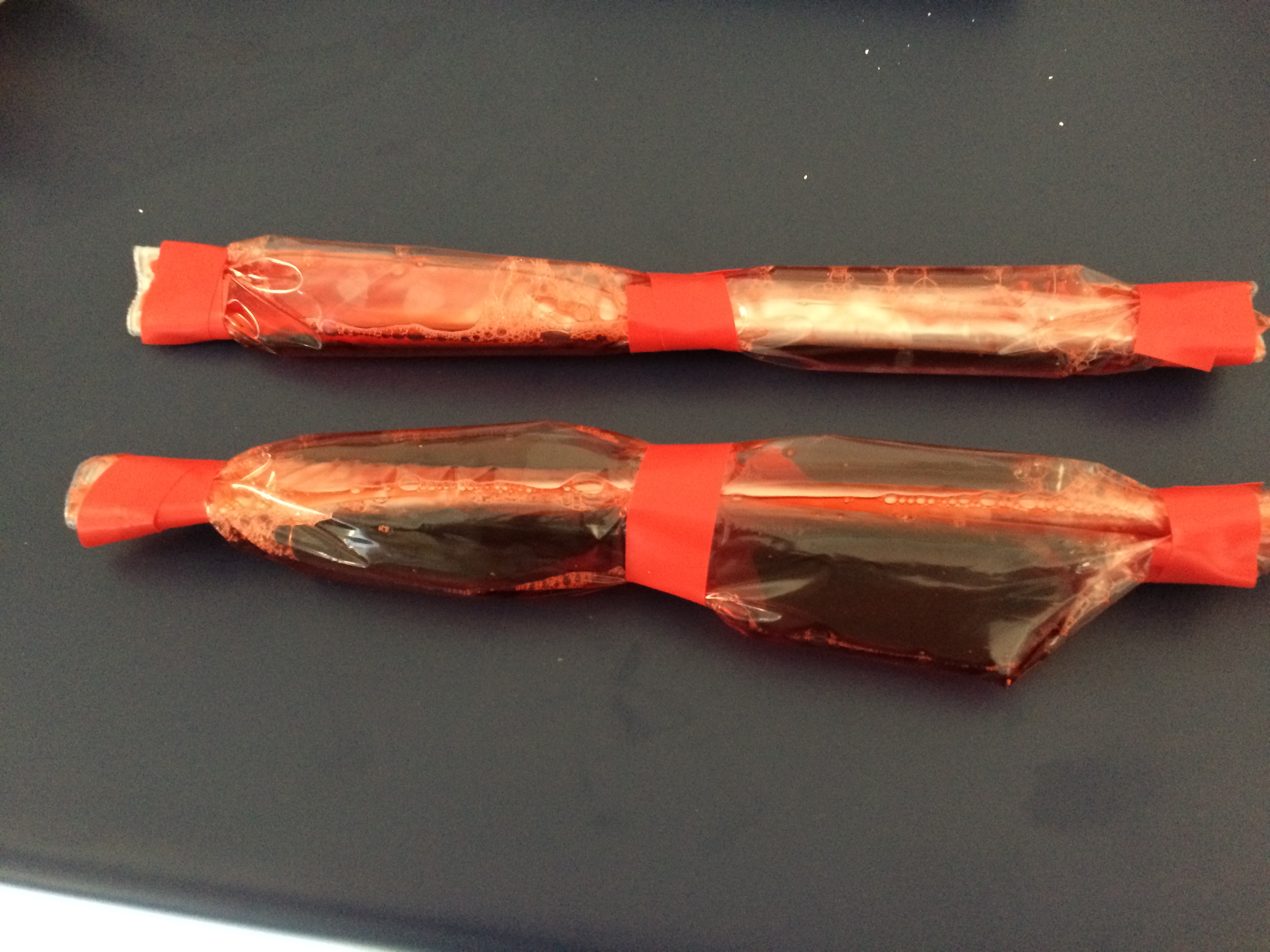
Keen to rise to the bleeding challenge, I used fake-blood purchased from a costume shop (in plentiful supply post-halloween) to fashion blood packets using sandwich bags.

image1


image2


image3

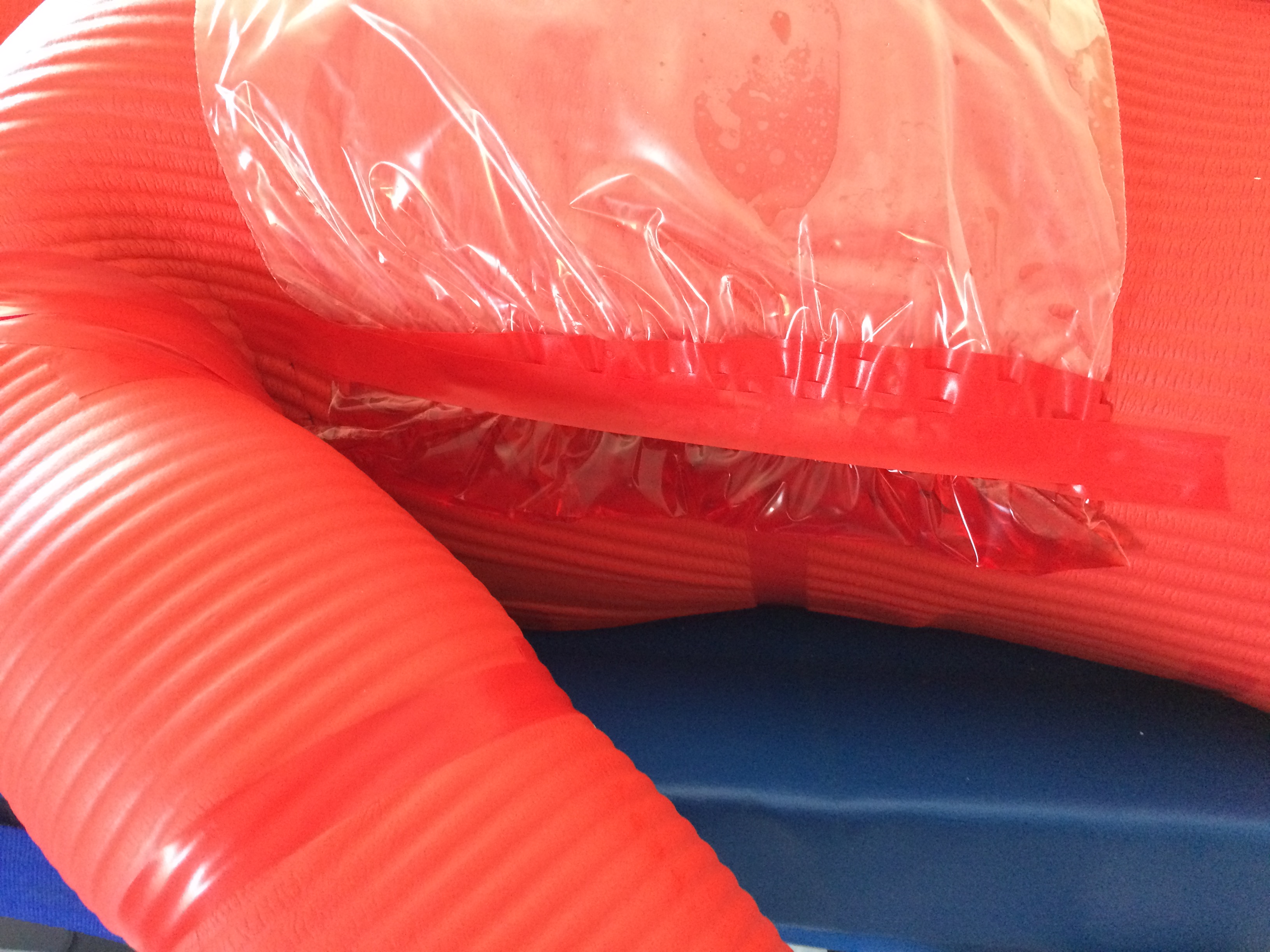
The blood packets were then strapped to the red (deep-tissue) layer that had been attached to the resus mannequin.

image4

I taped the bags over the anticipated incision areas on the model and then completed the model again as per Ed’s instructions.

image5

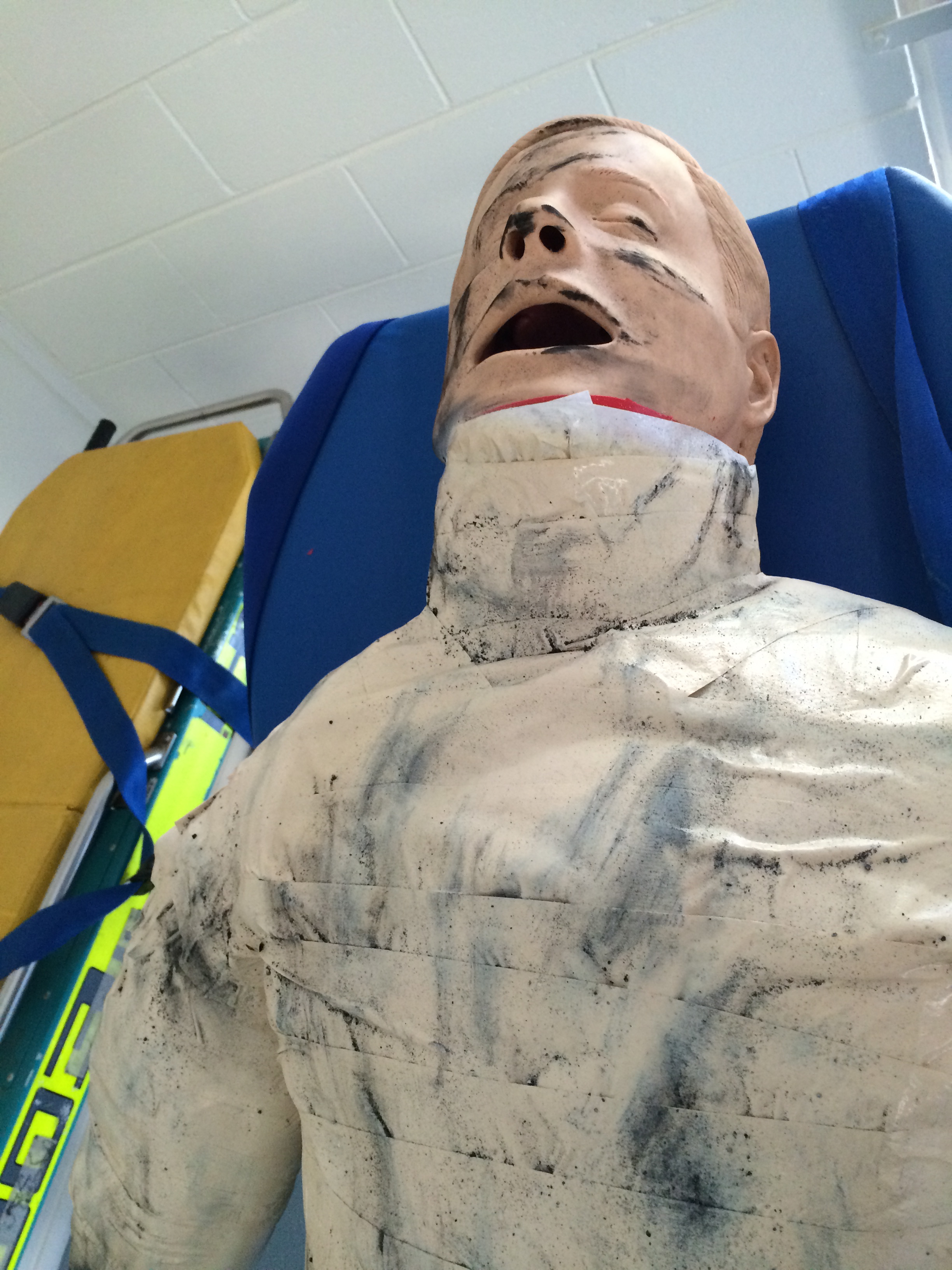
The final finish was applied with spray paint and charcoal.

image6

The finished Escharotomy Man 2.0

image7

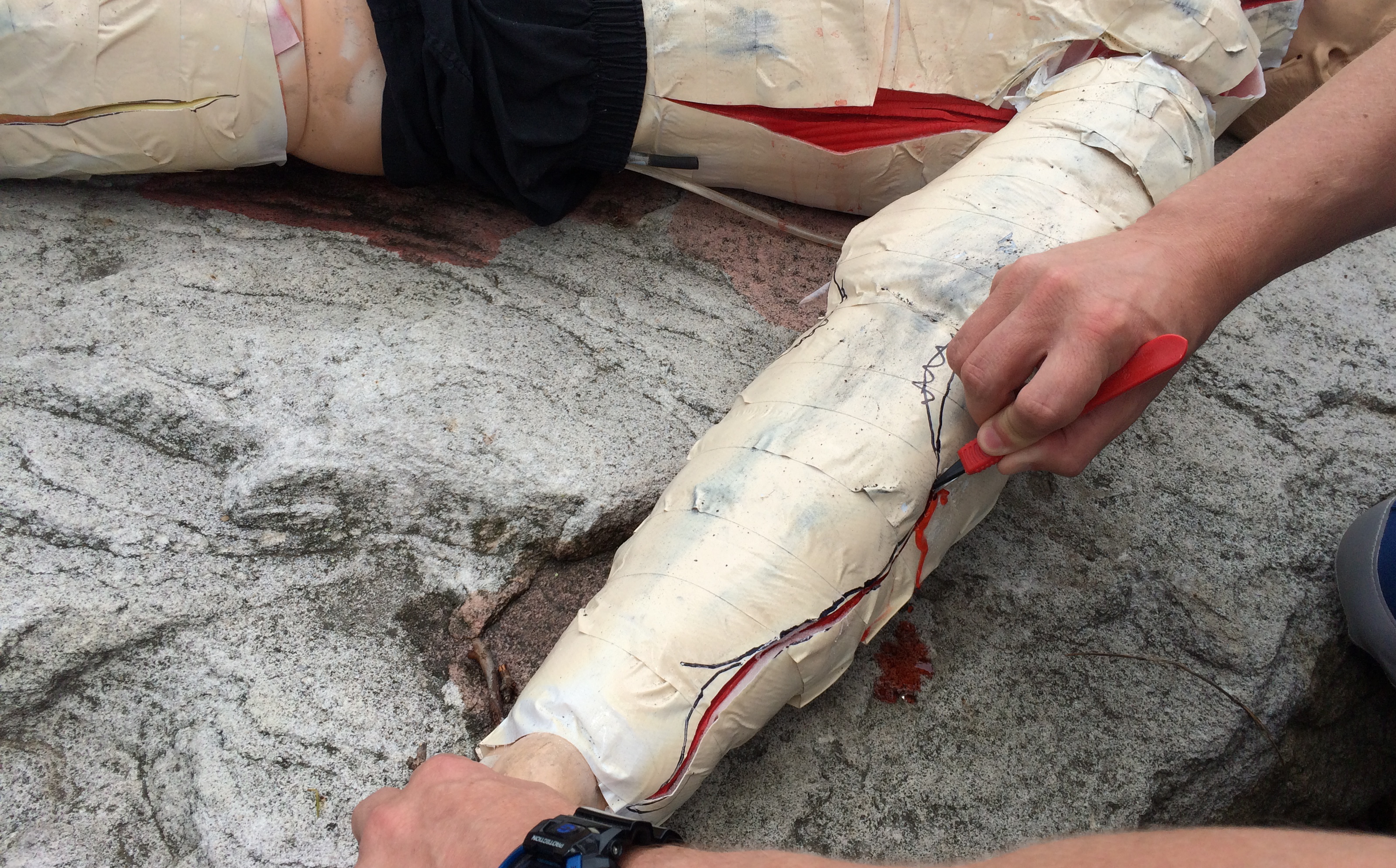
During our first Burns simulation scenario (brilliantly authored and run by Dr Morgan Sherwood) the model was put through its paces. The bleeding was quite variable depending upon where the cuts were made, but quite successful in the end.

image8


image9

After completion of the scenario other staff had the opportunity to participate and perform their own escharotomies on unused parts of the mannequin.

I aim to refine the bleeding packets for the next time we run a burns scenario by using a larger number of smaller bags, and placing them widely in areas that may be incised.


Posted in burns, simulation, training | Tagged , , , | Leave a comment

Education Inservice Tuesday 18 November 2014

A session with consultants from Sydney HEMS will be held on Tuesday 18 November as part of the Education Inservice week in Rozelle, NSW. This will be an opportunity to discuss current approaches to trauma and critical care.

Please bring details of any cases you would like to discuss that involve:

  • Resuscitation
  • Major adult or paediatric illness
  • Trauma
  • Interaction with medical teams / retrieval services

Timetable:

1300 Introduction – Dr Cliff Reid

1310 Prehospital & retrieval medicine & the role of HEMS – Dr Karel Habig

1340 Trauma update: the bleeding patient – Dr Geoff Healy

1410 Break

1430 Rural trauma case discussions – Dr Brian Burns

1530 Education & clinical Q&A – Dr Cliff Reid

1600 Finish

Dr Cliff Reid is an emergency physician and the Supervisor of Training for Greater Sydney Area HEMS, and a Clinical Associate Professor with the University of Sydney

Dr Karel Habig is an emergency physician and the Medical Manager for Greater Sydney Area HEMS

Dr Brian Burns is an emergency physician and the Head of Research for Greater Sydney Area HEMS, and a Clinical Associate Professor with the University of Sydney

Dr Geoff Healy is a consultant anaesthetist and the Medical Equipment Lead for Greater Sydney Area HEMS

All consultants are employed by NSW Ambulance as staff specialists in prehospital & retrieval medicine

Posted in General PH&RM | Tagged | Leave a comment

Introduction to Retrieval Medicine

Several of the Sydney HEMS retrieval physicians describe some of the challenges of prehospital & retrieval medicine


Posted in training | Tagged , , , | Leave a comment

Clinical Governance Day 19th November 2014


mattWe are pleased to welcome our guest speaker from the UK, Matt Ward.

Matt is lead paramedic for emergency care for West Midlands Ambulance Service, and one of the directors of the West Midlands CARE team.
He’ll be sharing clinical and research experience in the management of stroke and cardiac arrest.


  • Pastries will be available from 0740hrs for those who arrive early, although we can’t guarantee how long they will last 🙂 
  • For lunch we will be joining the crews down in the hangar for a hamburger BBQ in aid of Movember; please bring $6 if you wish to join in with this.
  • Please note the usual free sandwiches will not be provided on this occasion.

See here for directions

Posted in training | Tagged | Leave a comment

Clinical Governance Day 5th November 2014


CGDFlyerBURNS

See here for directions

Posted in training | Tagged | Leave a comment

Clinical Governance Day Summary 22nd October 2014

With a theme of haemorrhage and trauma, it was always going to be a fun-filled day and it certainly didn’t disappoint. Arranged by Laura and Hannah, an excellent turnout of consultants, registrars, paramedics and medical students filled the room and were presented with a series of relevant and interesting teaching sessions.

Damage Control Resuscitation

Trauma Team Personnel

War, huh! what is it good for?

Some might say ‘absolutely nothing’ but others might argue that it has at least led to an advancement in the management of major trauma.

Through the wonders of Skype, we were able to listen to the excellent Damian Keene, anaesthetic registrar, major in the British army and PHEM trainee, talking about his extensive experience working in Camp Bastion, Afghanistan.

Damian took us through a typical case involving a severely injured soldier requiring resuscitation and damage control surgery. Through detailed documentation, it was possible to see the rapid and life-saving treatment that the patient received.

  • Junctional wounds (e.g. axilla or groin) which are too proximal for tourniquet application are challenging to manage – Damian reported excellent results with topical haemostatic agents – in their case Celox gauze
  • Intraosseous access would generally be gained prior to arrival in hospital. For rapid transfusion and resuscitation, large bore subclavian access was the route of choice in hospital with a second anaesthetist dedicated to the procedure
  • Initial transfusion was in a 1:1 ratio, Packed Red cells:Plasma
  • Once bleeding was controlled they immediately switched to individually tailored transfusion – based on clinical and laboratory assessment, including point of care thromboelastometry

What really came across was how refined and streamlined the entire process was – from time of injury to definitive surgery – with every facet of care optimised to ensure the patient received the best care possible – something which many civilian trauma centres could only aspire to.

A comprehensive review article detailing the defence forces approach to trauma was published in Anaesthesia in 2013 and is recommended reading

Acute Coagulopathy of Trauma

IMG_20141022_102809

Coagulopathy of Trauma

Jamie channeled his inner Karim Brohi and talked us through the complicated and evolving subject of acute traumatic coagulopathy.

  • Coagulopathy is present in up to 25% of major trauma patients on arrival in the Emergency Department and is associated with a significant increase in mortality.
  • Conventional teaching has previously been that coagulopathy was a result of dysfunction (through acidosis and hypothermia), depletion and dilution of clotting factors.
  • pH>7.1 is unlikely to adversely affect coagulation
  • Minimising patient heat loss is important but temperature needs to be below 33°C to affect coagulation
  • Inappropriate IV fluids can affect coagulation through dilution of clotting factors

Acute traumatic coagulopathy is currently thought to be far more complex than originally taught, with a dynamic imbalance of procoagulant and anticoagulant factors as well as impaired platelet function and hyperfibrinolysis

‘The Lethal Triad’ – it’s not just a Chinese organised crime syndicate


Europe’s Stance on Management of Bleeding and Coagulopathy

 The Advanced Bleeding Care Group have recently published an updated consensus guideline on the management of bleeding and coagulopathy following major trauma. In a similar approach to the Surviving Sepsis Campaign, the group hope that the launch of the STOP the Bleeding Campaign will reduce the number of preventable deaths from haemorrhage following trauma

  • S – Search for patients at risk of coagulopathic bleeding
  • T – Treat bleeding and coagulopathy as they develop
  • O – Observe response to interventions
  • P – Prevent secondary bleeding and coagulopathy

, by standardising and improving the level of care that these patients receive.

While the group attending the CGD did not agree with all the recommendations (vasopressors in trauma), it was felt that this was a useful project, with the potential to standardise and improve the level of care that these patients receive.

An app is free to download and contains a useful summary of the recommendations. The full recommendations are also available.

Practical Haemorrhage Control

Maxillofacial haemorrhage control with Karel Habig

In a practical session looking at haemorrhage control, Karel walked us through the initial management of massive traumatic maxillo-facial haemorrhage.

There is a stepwise process to achieving haemostasis:

  • Intubate
  • Manually reduce and align mid-face fractures – this is crucial as without this subsequent steps can further distract a displaced facial fracture and worsen bleeding
  • Insert bilateral nasal epistats (posteriorly, not superiorly) but do not inflate
  • Cervical collar to splint the mandible
  • Dental props – inserted bilaterally, the largest size which will comfortably fit
  • Inflate epistats – firstly posterior balloons with water, followed by incremental filling of the anterior balloons until haemostasis achieved

Literature Review

Following lunch, Jamie and Laura facilitated a lively group discussion on two papers relevant to critical care and retrieval medicine.

In the first, a review article looking at delirium and sedation in ICU it was apparent that delirium is a significant problem in ICU which often goes unrecognised.

Evidence suggests that management of sedation and delirium can have an important effect on patients treated in ICU. While it did not appear that any sedative performed significantly better than another the take-home message appeared to be that good care required regular assessment of sedation in ICU while keeping it to the minimum necessary for patient comfort and safety, along with using a protocol to routinely monitor and treat pain and delirium.


The second paper which was reviewed was from the TRISS Trial Group, recently published in the NEJM. It was a multi-centre RCT investigating whether a higher (9g/dL) or lower (7g/dL) transfusion threshold had any effect on mortality in septic shock.

There was no significant difference in the primary outcome, which was mortality at 90 days. Not surprisingly, secondary outcomes showed that patients in the higher threshold group received significantly more blood transfusions.

It was felt to be a well designed study which although only partially blinded (full blinding would have been very difficult) had few flaws and good internal and external validity.

Amongst the group discussing the paper, it was felt that this generally supported their current practice rather than changing it. A review of this article, along with many others can be found on the excellent Wessex Intensive Care Society website


Next Clinical Governance Day is on 5th November

Posted in Haemorrhage | Tagged , | 1 Comment

Clinical Governance Day 22nd October 2014

See here for directions

Posted in training | Tagged | Leave a comment

Clinical Governance Day 8th October 2014

CGD served up a mixture of cases discussions, audit, hot off the press journal articles and finished the day with a cracking multiple-casualty scenario.  

Airway Audit

In his final appearance before sadly leaving Sydney HEMS, Anthony Lewis went through a number of interesting airway cases for the month of July. There were a number of learning points:

  • Although not used as often as the bougie in our service, the stylet is an invaluable aid in the management of a difficult intubation – in this case a grade 3 view, unable to pass the bougie through the cords. A stylet in a straight-to-cuff shape allowed for endotracheal intubation on second look, with no desaturation.
  • Penetrating trauma to the neck with suspected tracheal involvement can prove to be a particularly challenging airway. Unidentified transection or near-transection of the trachea can be made worse by injudicious or vigorous intubation
  • If time allows, share the decision making with a colleague, in our case the Senior Retrieval Consultant (SRC) – that’s what they’re there for!

The Day Terrorism Arrived in Norway

Christian Buskop, anaesthetist  and current Sydney HEMS registrar

Christian Buskop, anaesthetist and current Sydney HEMS registrar

Christian gave us a fascinating and thought-provoking insight into the terrorist incidents on 22 July 2011 in Oslo and Utøya Island, from his first hand experience working with the Norwegian Air Ambulance on that day.

In the deadliest attack in Norway since World War 2, a car bomb exploded in the government quarter of Oslo, killing eight and injuring 209 people. This was followed hours later by a gunman opening fire on a youth camp on Utøya Island, 40km from Osl0. 69 people were killed on the island, with a further 110 injured.

  • Lightweight emergency stretchers were one of the most useful pieces of equipment on the day, allowing rapid movement of patients from the casualty clearing station to the trauma centre
  • In keeping with some previous mass casualty incidents, there was a degree of communication breakdown, in this case leading to confusion about the location of the casualty clearing station
  • Co-ordination of helicopter activity was challenging in poor weather conditions with uncontrolled airspace and an unsettled security setting. At one point there were 30 helicopter movements in one hour.

An excellent summary of the EMS response was published the following year and is well worth a read for anyone involved in pre-hospital care or major incident planning

Winch Review

Cameron Edgar covered several complex pre-hospital cases where winching was required, highlighting some of the logistical challenges involved.

This included a complicated multi-agency mission in the Blue Mountains involving abseiling down to the patient who had fallen 10 metres into a canyon. Following stabilisation of the seriously injured walker, he was extricated in several stages – first by ropes to the top of the canyon and then carried to a safe area prior to an accompanied stretcher winch.

The Warriewood Blowhole close to the northern beaches of Sydney is a popular site for teenagers in the warmer months and has been the scene of several winching operations in recent years. For one of the new HEMS registrars, it proved to be a particularly eventful day when a teenager sustained multiple injuries after falling when climbing down to the blowhole.

ARISE trial

While the triage scenario was running, Cliff went through the findings of the recently published ARISE study, the second of three multi-centre studies looking at Early Goal-Directed Therapy (EGDT) in sepsis.

In keeping with the ProCESS trial, there was no difference in all-cause mortality at 90 days between usual care and EGDT. While awaiting PROMISe, the final study in the trio, it seems to be that the fundamental goals in the management of sepsis are early recognition, source control, early antimicrobial therapy, considered use of fluids and vasopressors and close observation.

Triage Scenarios

To end the day the doctors and paramedics were put through their paces in pairs, in a challenging scenario involving the initial assessment of multiple casualties following a minibus crash.

Brian checks his twitter feed, leaving the HEMS registrar to do all the work

Brian checks his twitter feed, leaving the HEMS registrar to do all the work

There were many learning points from the subsequent debrief:

  • Arriving by helicopter allows for an excellent opportunity to assess the entire scene
  • Try to make brief notes as you perform an initial triage sieve. This allows for a more accurate situation report and better allocation of available resources
  • Decide beforehand whether to perform a triage sieve in pairs or individually. Working separately is possible and may be faster but requires regular communication to ensure casualties are not missed or triaged twice
  • If triage tags are not available, improvise. Consider writing on the patient with a marker pen to assign a triage category
  • It is possible to get bogged down in the treatment of a patient prior to completing a triage sieve. Consider what life-saving procedures are possible and appropriate. The military talk about: tourniquet application, basic airway manoeuvres and decompression of tension pneumothoraces
  • Make sure that the entire scene has been assessed and all casualties are triaged. It’s easy to miss a quiet patient – they’re often the ones who need help the most!

Next Clinical Governance Day is on Wednesday 22 October

Posted in simulation, training | Tagged | Leave a comment