This 22 minute talk by Sydney HEMS consultant Dr Oran Rigby was delivered at a recent rural medicine conference
Cutting the edge of the trauma void
This 22 minute talk by Sydney HEMS consultant Dr Oran Rigby was delivered at a recent rural medicine conference
Cutting the edge of the trauma void
This 22 minute talk by Dr Karel Habig was delivered at a recent rural medicine conference
Essential components of pre-retrieval trauma care
This 24 minute airway lecture from a recent conference is delivered by Dr Clare Hayes-Bradley, consultant in prehospital & retrieval medicine with Sydney HEMS.
Retrieval & trauma updates for rural providers: Can’t intubate/oxygenate – help is not nearby

Quality Training in Prehospital Trauma Care
This talk from the 2014 London Trauma Conference covered how the training of clinicians in prehospital & retrieval medicine needs to focus on performance rather than just knowledge. Simulation is the key, and to allow time for this traditional lectures can substituted by online learning material prior to attending induction training.
Simulation aims to train teams to achieve mission success. Team members need to be able to manage themselves, the environment, and other people. Various methods can be employed to train and test these areas.
Here are the references used to prepare the talk.
Flipped Classroom / Online learning
Prober CG, Heath C. Lecture halls without lectures–a proposal for medical education. N Engl J Med. 2012 May 3;366(18):1657–9.
Cognitive biases snd debiasing
Croskerry P. From mindless to mindful practice–cognitive bias and clinical decision making. N Engl J Med. 2013 Jun 27;368(26):2445–8
Croskerry P, Singhal G, Mamede S. Cognitive debiasing 1: origins of bias and theory of debiasing. BMJ Quality & Safety. 2013 Sep 18;22(Suppl 2):ii58–ii64.
Croskerry P, Singhal G, Mamede S. Cognitive debiasing 2: impediments to and strategies for change. BMJ Quality & Safety. 2013 Sep 18;22(Suppl 2):ii65–ii72. .
Imagery & Visualisation
Moppett I, Sevdalis N. II. From pilots to Olympians: enhancing performance in anaesthesia through mental practice. Br J Anaesth. 2013 Jan 14;110(2):169–72.
Sanders CW, Sadoski M, van Walsum K, Bramson R, Wiprud R, Fossum TW. Learning basic surgical skills with mental imagery: using the simulation centre in the mind. Medical Education. 2008 Apr 23;42(6):607–12.
Situation Awareness & Cognitive Stop Points
Norris EM, Lockey AS. Human factors in resuscitation teaching. Resuscitation 2012 Apr 1;83(4):423–7.
Controlling the Environment / Establishing Workspace
Campeau AG. The Space-Control Theory of Paramedic Scene-Management. Symbolic Interaction 2008 Jun 21;31(3):285–302
Leadership and Communication
Hunziker S, Tschan F, Semmer NK, Howell MD, Marsch S. Human factors in resuscitation: Lessons learned from simulator studies. J Emerg Trauma Shock. 2010;3(4):389
Brindley PG, Reynolds SF. Improving verbal communication in critical care medicine. Journal of Critical Care. 2011 Apr;26(2):155–9
Training
Excellent review article covering many of the concepts discussed: Petrosoniak A, Hicks CM. Beyond crisis resource management. Current Opinion in Anaesthesiology. 2013 Dec;26(6):699–706
Distractors: Krage R, Tjon Soei Len L, Schober P, Kolenbrander M, van Groeningen D, Loer SA, et al. Does individual experience affect performance during cardiopulmonary resuscitation with additional external distractors? Anaesthesia. 2014 Jun 2;69(9):983–9
Fidelity: Hochmitz I, Yuviler-Gavish N. Physical Fidelity Versus Cognitive Fidelity Training in Procedural Skills Acquisition. Human Factors: The Journal of the Human Factors and Ergonomics Society. 2011 Sep 16;53(5):489–501
Salas E, Wilson KA, Burke CS, Bowers CA. Myths About Crew Resource Management Training. Ergonomics in Design: The Quarterly of Human Factors Applications. 2002 Oct 1;10(4):20–4
Team cognitive readiness: Fiore SM, Ross KG, Jentsch F. A Team Cognitive Readiness Framework for Small-Unit Training. Journal of Cognitive Engineering and Decision Making. 2012 Aug 9;6(3):325–49
Perturbation, cross training: Gorman JC, Cooke NJ, Amazeen PG. Training Adaptive Teams. Human Factors: The Journal of the Human Factors and Ergonomics Society. 2010 Sep 14;52(2):295–307
Guided error training: Marshall S, Flanagan B. Simulation-based education for building clinical teams. J Emerg Trauma Shock. 2010;3(4):360
Stress exposure training: Driskell JE, Johnston JH, Salas E. Does Stress Training Generalize to Novel Settings? Human Factors: The Journal of the Human Factors and Ergonomics Society. 2001 Jan 1;43(1):99–110
DeMaria S Jr, Bryson EO, Mooney TJ, Silverstein JH, Reich DL, Bodian C, et al. Adding emotional stressors to training in simulated cardiopulmonary arrest enhances participant performance. Medical Education. 2010 Sep 30;44(10):1006–15
Assessment
Von Wyl, Zuercher M, Amsler F, Walter B, Ummenhofer W. Technical and non-technical skills can be reliably assessed during paramedic simulation training. Acta Anaesthesiol Scand. 2009 Jan;53(1):121-7
Flowerdew L, Brown R, Vincent C, Woloshynowych M. Development and Validation of a Tool to Assess Emergency Physicians’ Nontechnical Skills. Ann Emerg Med. 2012 May;59(5):376–385
Sydney HEMS Prehospital & Retrieval Medicine Simulation Assessment Tool (PHARMSAT)

How it works – review by Nicholas Chrimes
When it all started in #FOAMed in Dec 2010 – NODESAT article by Rich Levitan
We tried it and liked it, so introduced into our airway SOP in July 2011 (latest version written May 2012)
The definitive article by Scott Weingart & Rich Levitan in Annals (published online Nov 2011): Preoxygenation and prevention of desaturation during emergency airway management.
Not just in the EM literature – the principle described in 1959 in Anesthesiology: Apneic oxygenation in man
Other studies in anaesthetic literature, showing increased apnoea time in obese & non-obese subjects, including some RCTs – BestBET on apnoeic oxygenation
It’s on the Australaian ED airway registry form and every ED checklist I’ve seen
It’s recommended in the proposed critical care RSI operation procedure and checklist by Sherren
In prehospital care, “standards of practice and monitoring should be similar to those recommended for in-hospital anaesthesia” according to the AAGBI
It’s well tolerated and unlikely to lead to adverse effects
At Sydney HEMS, its use was associated with a decrease in desaturation (very conservatively defined as <93%, and included some already hypoxic patients prior to anaesthesia) from 22.6 to 16.9% – retrospective analysis of prospectively captured registry data accepted for publication in Annals of Emergency Medicine.
Do we need an RCT? – it would be nice but based on a power calculation it would take several years in our service and with observed improvements in our quality procuess we anticipate lower desaturation rates in the control group than historically shown, further increasing the number needed to show a difference, risking an underpowered inconclusive study after years of work. It might therefore be better to do a multicentre ED based study, although a low-cost, low-risk safety intervetion with good RCT data to support it from the anaesthesia literature may not require further evidence to support its use.
View the slides:
Clinical Governance was a day of two halves; a morning of hard hitting clinical governance in the form of the morbidity and mortality review, and the airway audit. The afternoon was a brief look at the management of head injuries followed by an entertaining simulation and skills station.
Morbidity & Mortality
Sarah C presented a packed morbidity and mortality session, full of useful nuggets of information:
In full thickness burns limiting neck movement or mouth opening then a primary surgical airway may be considered as the primary means of securing the airway
Airway Audit
Since Anthony Lewis has moved on from Sydney HEMS, Clare H-B has taken on the considerable task of compiling the airway audit. Unfortunately Clare couldn’t attend to present the data so Karel went through data from two months (August and September).
Over 90% of intubations were achieved on first-look, with the remaining cases intubated on the second attempt.
Head Injury Management
Eoin talked us through a few controversies in head injury, as well as highlighting a potential new development in the diagnosis of minor head injury
Eoin talked us through the practice in Bergen, Norway where the EMS personnel have markedly reduced their use of cervical collars, replacing them by either:
The Bergen EMS SOP recommends the use of a hard cervical collar in only two situations:
An excellent article covering some of the (somewhat limited) evidence behind this move, along with a description of the lateral trauma position can be found on the Scancrit blog
Neurosurgery for Dummies!
As our European HEMS registrars are discovering, Australia is a pretty big place and there can be lengthy transfer times to definitive care. It may be a rare occurrence but there have been occasions where it has been necessary for a non-specialist to decompress an extradural haematoma in a rural hospital.
The neuroprotection SOP recommends that for patients with an extradural or acute subdural haematoma where the transfer is likely to take more than two hours, the case should be discussed with the receiving neurosurgeon, with one of the options being on-site burr hole exploration.
There are several excellent articles describing simple burr hole placement for the non-neurosurgeon:
And remember, in the words of Mitchell & Webb, ‘brain surgery – it’s not exactly rocket science!’
Neuro Trauma Simulation
One of the new registrars coped admirably after being thrown in at the deep end with a tricky simulation, written by resident sim maestro Morgan
The team were tasked to a remote rural hospital, to retrieve a patient who had sustained a skull fracture with underlying extradural haemorrhage following an assault. Unknown to the retrieval team, he had also been stabbed in the back with a developing pneumothorax and was becoming increasingly hypoxic as the scenario progressed.
The team successfully identified the pneumothorax as well as the patient’s deteriorating conscious level and instigated the necessary neuroprotective measures prior to transferring the patient to Sydney for neurosurgical intervention.
But despite their best efforts, a combination of bad weather and the helicopter breaking meant that there was no way they were leaving the hospital without decompressing that expanding extradural haemorrhage…
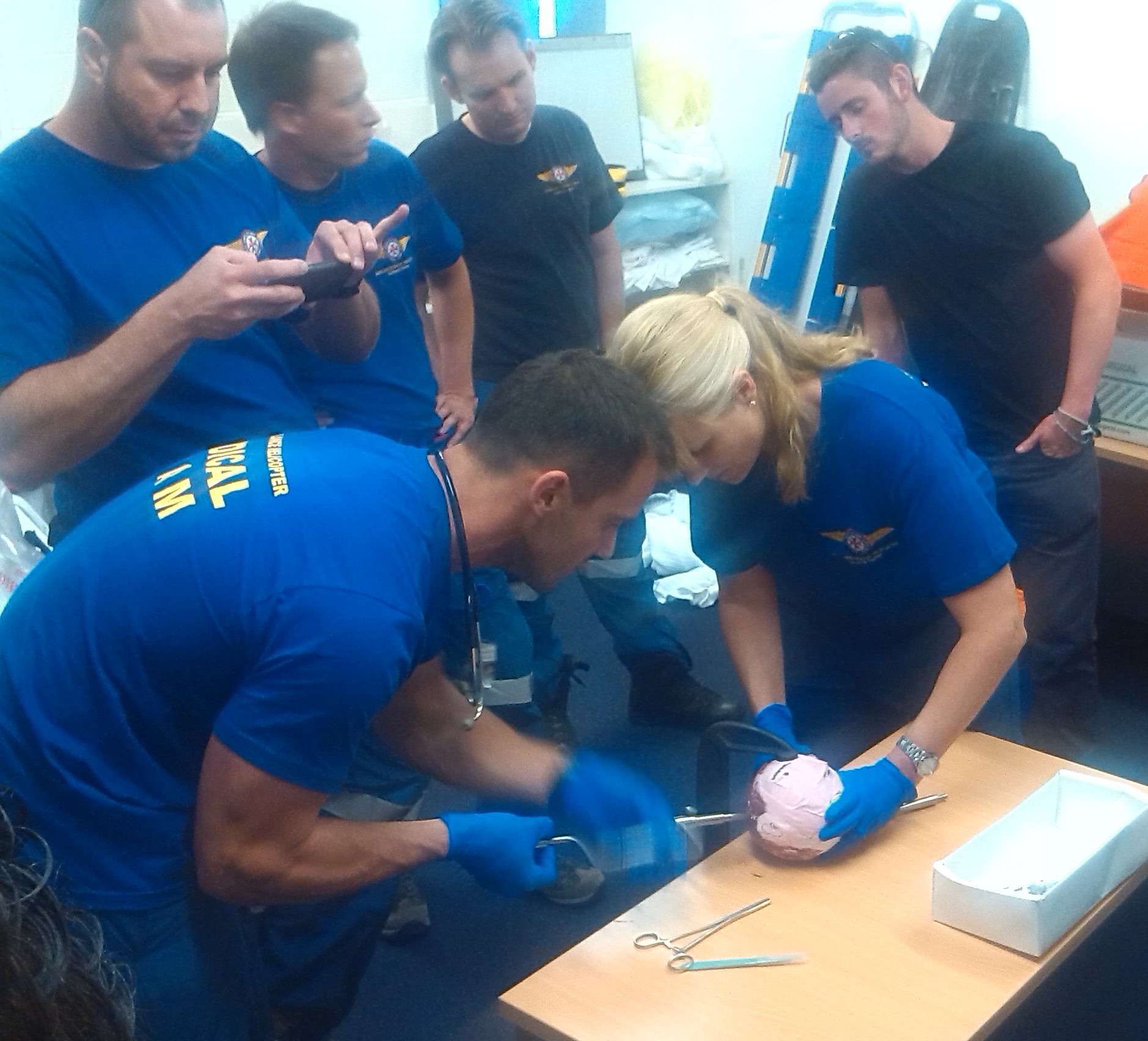
Temporal Burr Hole Placement
Learning points
Apnoeic Oxygenation: Essential in Prehospital RSI by Cliff Reid
Quality Training in Prehospital Trauma Care by Cliff Reid
AKA ‘The Matt Ward Show’
There was a really great turnout for a jam-packed Clinical Governance Day with a series of great presentations. It was clear that everyone involved in presenting had put a great deal of time and effort into their talks, which was appreciated by the entire audience.
We were fortunate to be joined by Matt Ward, lead paramedic for Emergency Care at the West Midlands Ambulance Service in the UK. He was able to share a wealth of experience, having worked as a paramedic in th e UK for over 15 years.
Pearls from AusTRAUMA 2014
Aidan gave us a whistle-stop tour of some of the many highlights of the Australasian Trauma Society conference, recently held in Sydney. With an all-star international cast including Karim Brohi and John Kortbeek, as well as SydneyHEMS’ own Brian Burns and Oran Rigby it sounded like the audience were treated to a smorgasbord of high quality lectures, covering every aspect of trauma imaginable.
https://twitter.com/JasonMusci/status/518288033334837248
The conference was also an opportunity for the Australian Trauma Registry to publish their inaugural report into trauma care across Australia with 25 of the 27 designated Trauma Centres contributing data between 2010-2012.
Trauma 2015 is happening on 2-4 October in the Gold Coast – for those of you who haven’t blown your entire study leave budget on SMACC Chicago!
Optimising Acute Stroke Care
Matt presented work carried out in the West Midlands looking at the impact of prehospital assessment and hospital pre-alerts on the subsequent acute stroke care pathway.
Paramedics applied the FAST (Face, Arm, Speech, Time) rule, as well as recording the time of onset of the suspected stroke. Results showed that FAST tests were positive in 75% of cases, with the time of onset recorded in 40%. A pre-alert was phoned through to the hospital in 44% of the cases.
After adjusting for confounding factors, the study found that there was an association between a positive FAST, a recorded time of onset or a hospital pre-alert and a timely CT scan.
West Midlands Ambulance Service have recently started piloting the use of AVVV, as an equivalent to FAST but for identification of posterior circulation strokes. Although it is at a very early stage, anecdotally it sounds as though it has aided the service in the identification of a number of stroke patients who may otherwise have been missed.
Mechanical Compression Devices in Cardiac Arrest
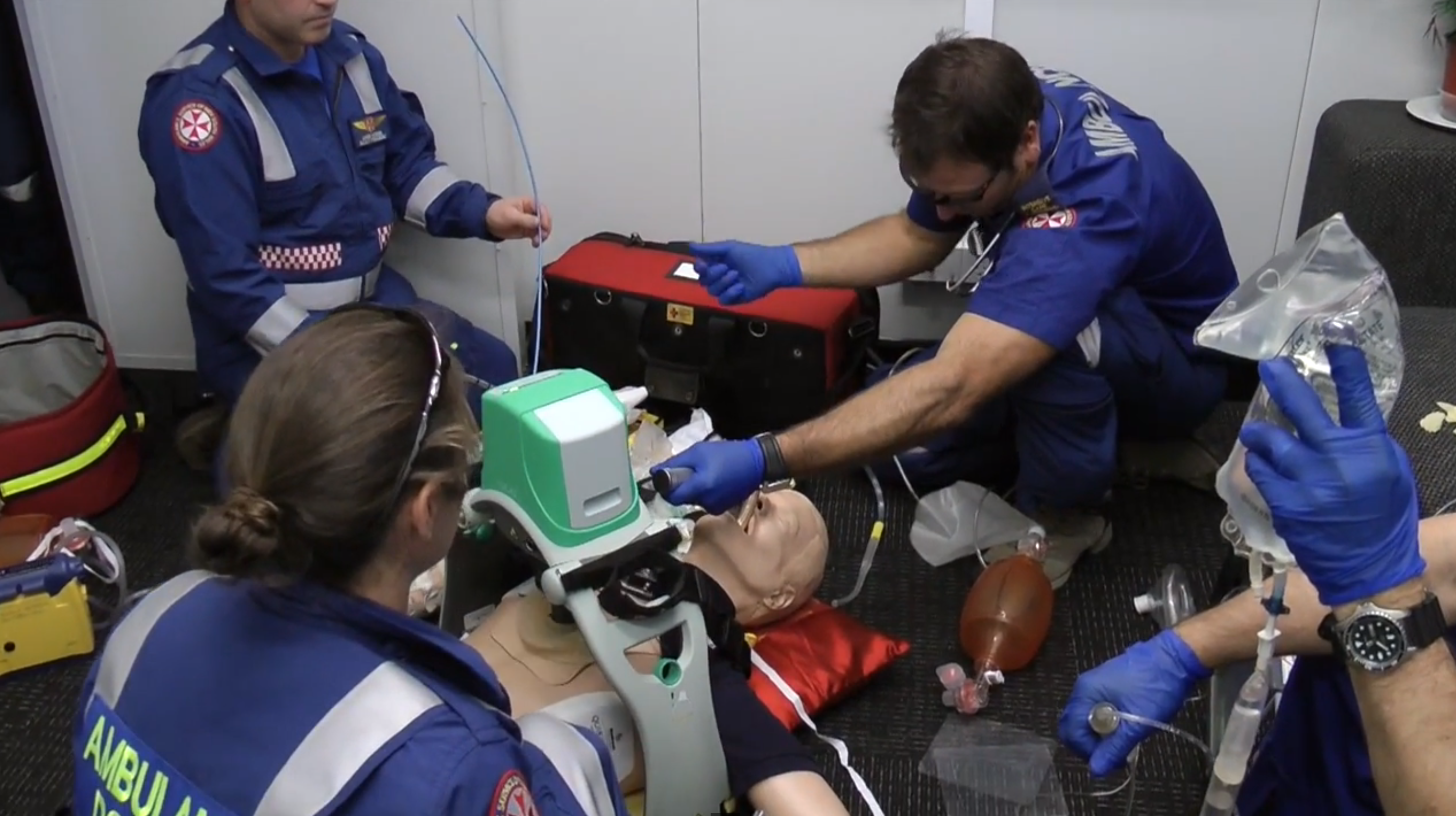
Sydney HEMS team practicing with the LUCAS 2 device
Hot off the press, Matt talked through the recently published PARAMEDIC trial, comparing manual CPR to mechanical CPR in the treatment of adult non-traumatic cardiac arrest. With 4471 patients recruited, it was suitably powered to find a 2.5% difference in 30 day mortality.
In keeping with the previously published LINC trial, there was no evidence of increased survival at 30 days (6% in the LUCAS-2 group and 7% in the manual CPR group).
Subgroup analysis found a marginally worse neurological outcome in patients presenting with an initial shockable rhythm. This should be interpreted with caution however; one hypothesis was that there was a pause in manual chest compressions as well as a delay delivering the first shock due to the time taken for placement of the LUCAS device
For more detail, head over to St Emlyns where theres is an excellent review of the article
Adrenaline: Friend or Foe?
Matt then went on to talk about the upcoming PARAMEDIC2 trial, which is an exciting randomised controlled trial comparing adrenaline to placebo in the management of out of hospital cardiac arrest. The study started in March 2014, running across five different ambulance services in both England and Wales.
Population – 8000 patients following out of hospital cardiac arrest. Children and pregnant women are excluded but interestingly trauma patients will be included in this trial.
Intervention – standard ACLS treatment, receiving either adrenaline or placebo
Control – standard ACLS treatment with adrenaline as per UK resuscitation guidelines
Outcome – the primary outcome is survival at 30 days.
It is thought that data collection will be ongoing for the next three years, with a plan to publish the results by 2019.
Command and Control
Following lunch, Cameron Edgar updated the doctors and paramedics on the latest developments in the command and control policy, in particular its relevance to pre-hospital jobs where winch insertion or extraction are likely to be required.
The bottom line seems to be that:
Next Clinical Governance Day is on Wednesday 3 December
Interesting videocast involving our very own Yash discussing the improvised medical response at Everest Base Camp to the devastating avalanche earlier this year.
If you’re interested in wilderness medicine and want to see more stuff like this, check out their website: http://theadventuremedic.com/.
By Sydney HEMS registrar Jamie Andrews
For Clinical Governance Day on 5th of November 2014, (Burns theme for Guy Fawkes Night care of the UK contingent!) I was tasked with re-producing Dr Ed Burns’ escharotomy model. Ed had previously hoped that the model could be made to bleed when cut to the appropriate depth to more accurately simulate the procedure itself.
Using the instructions on the Sydney HEMS website I obtained the necessary equipment from K-mart and Bunnings (No financial incentives provided).
Keen to rise to the bleeding challenge, I used fake-blood purchased from a costume shop (in plentiful supply post-halloween) to fashion blood packets using sandwich bags.
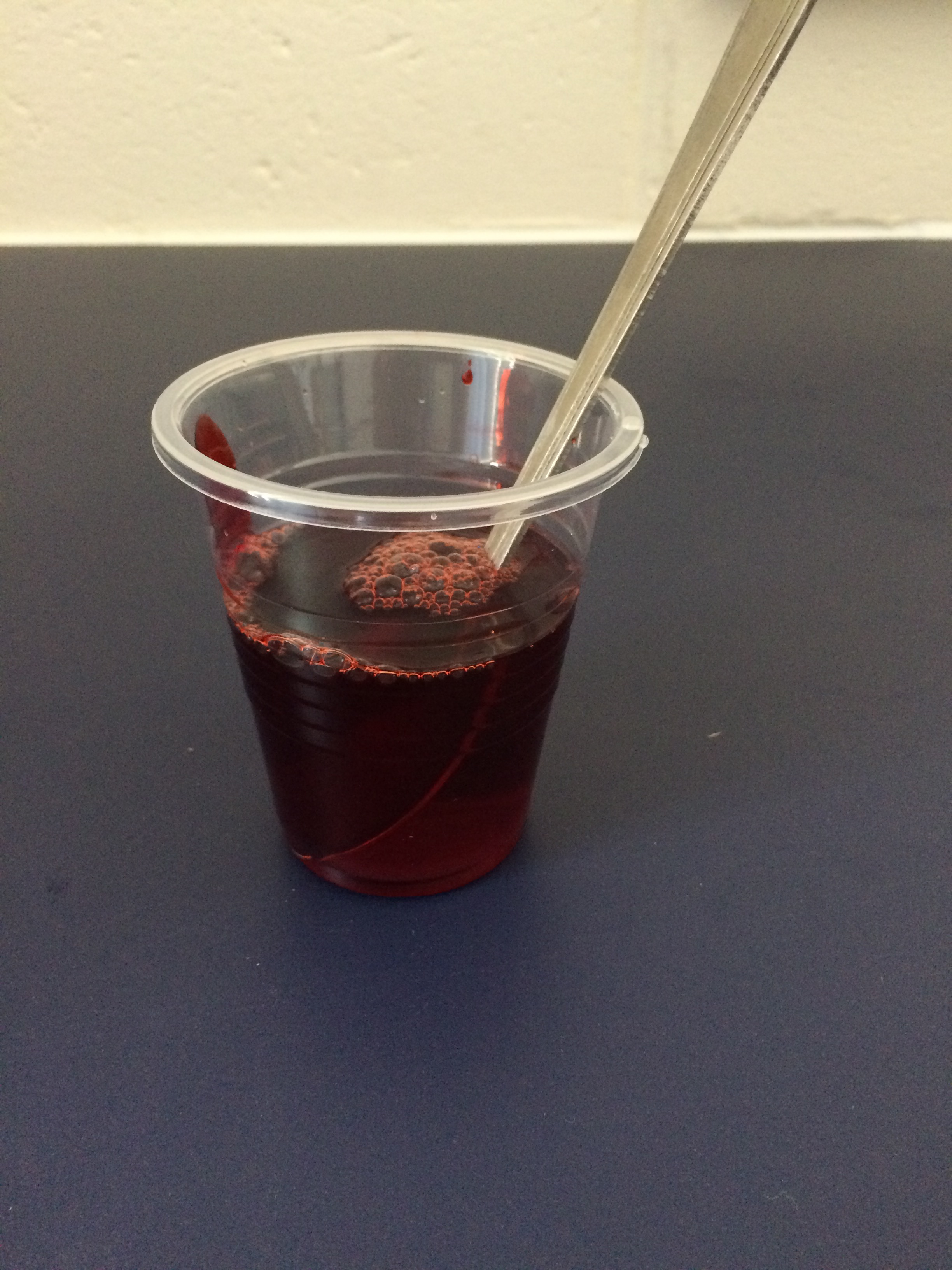
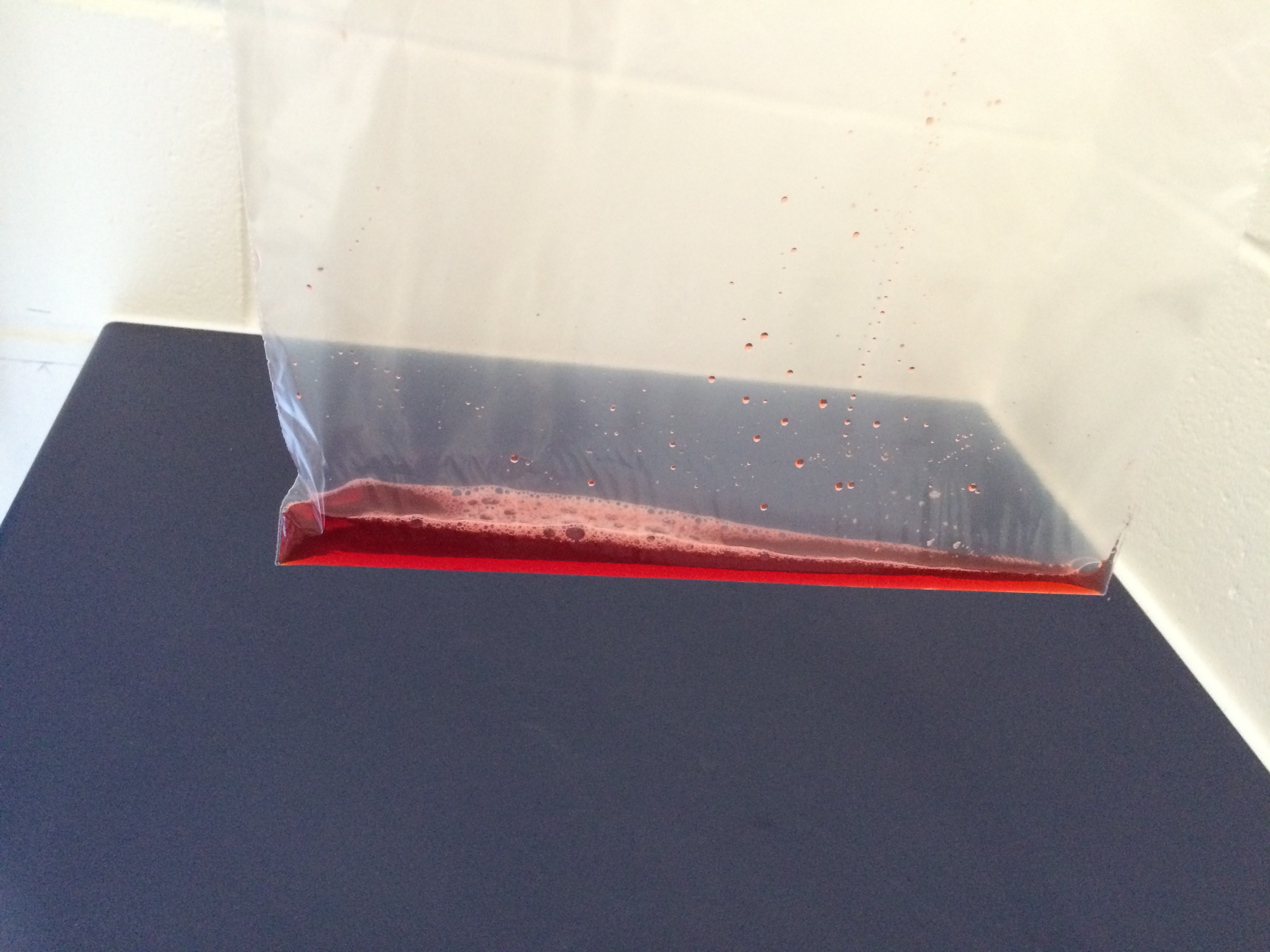
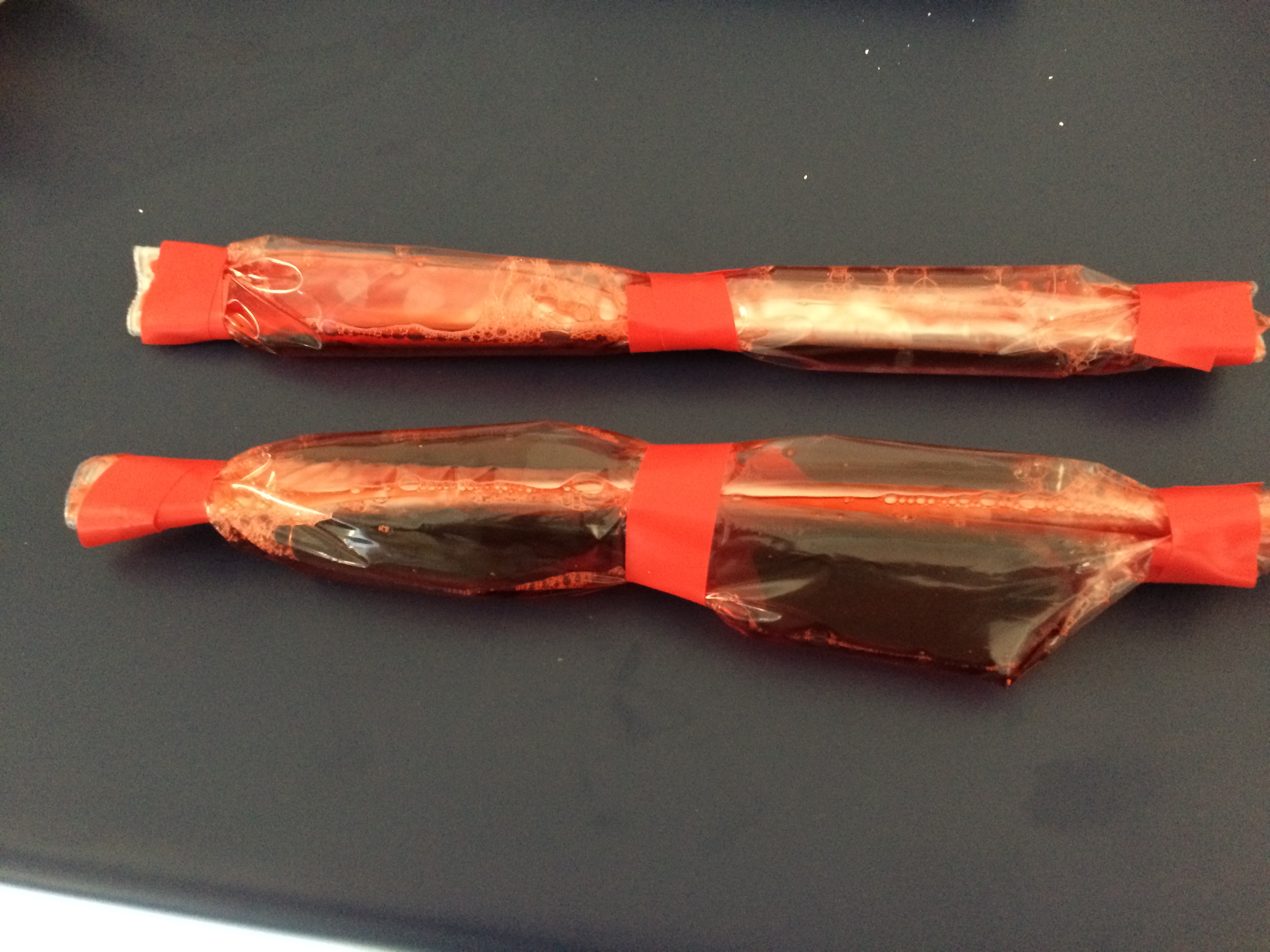
The blood packets were then strapped to the red (deep-tissue) layer that had been attached to the resus mannequin.
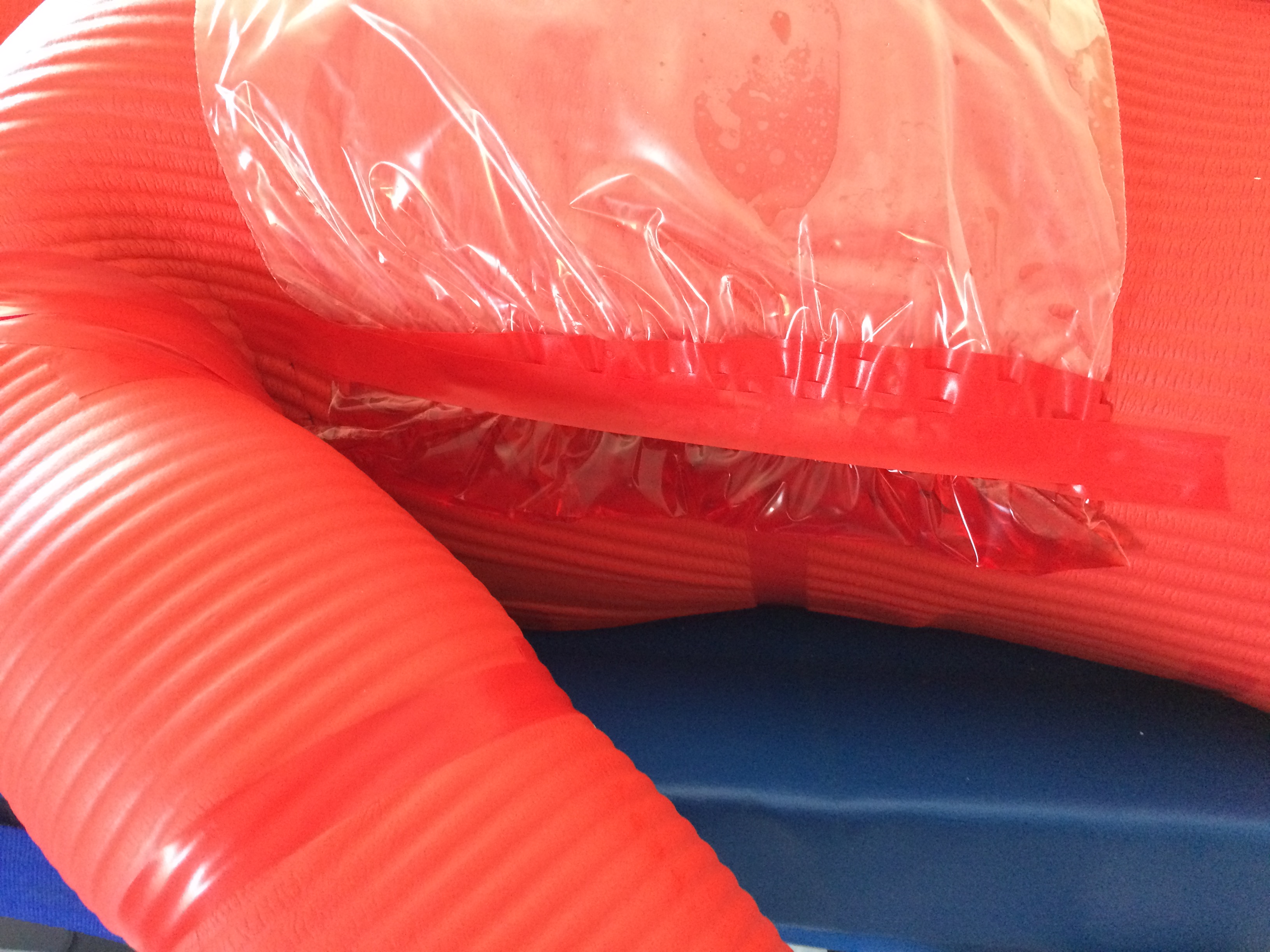
I taped the bags over the anticipated incision areas on the model and then completed the model again as per Ed’s instructions.

The final finish was applied with spray paint and charcoal.
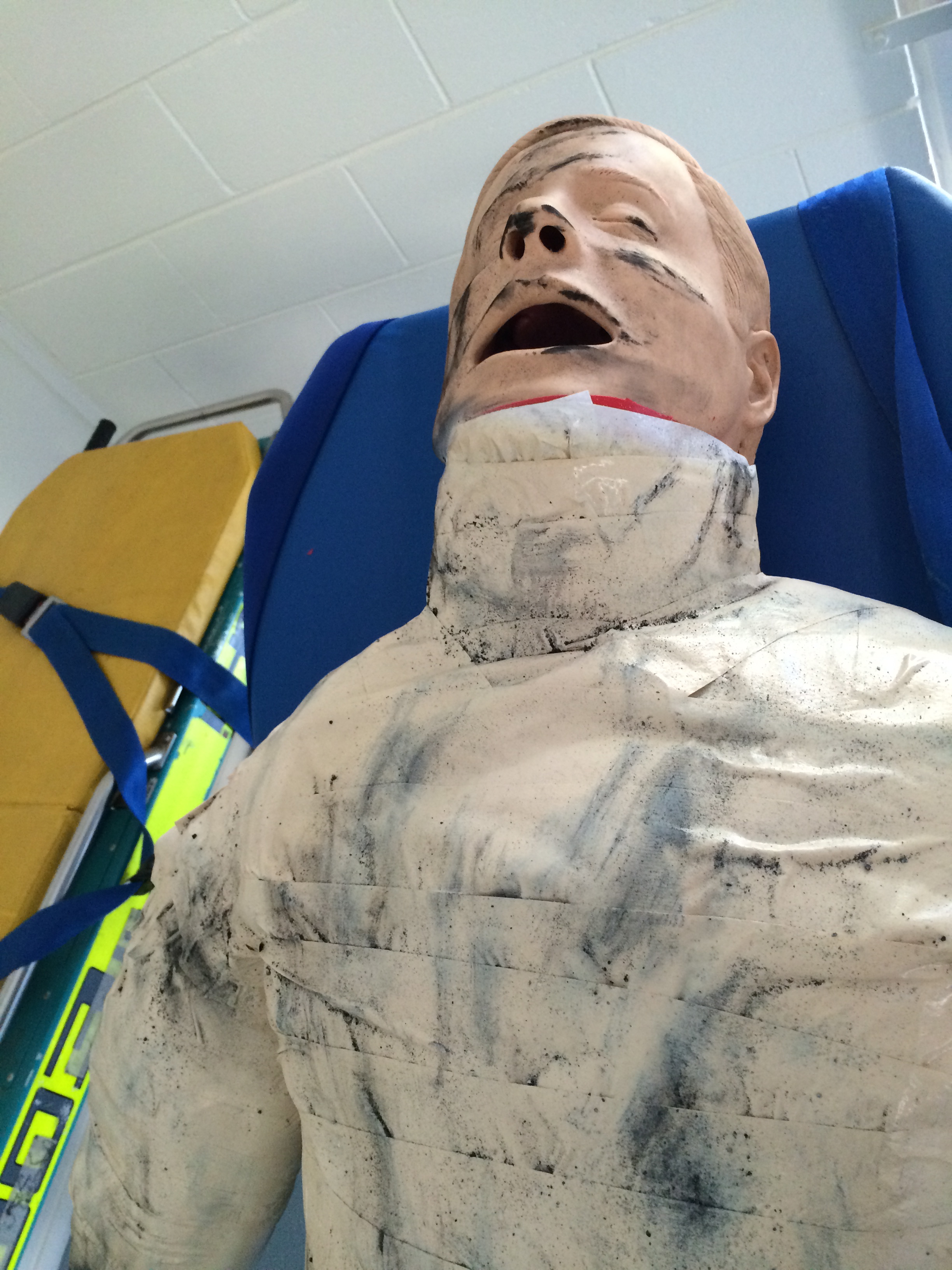
The finished Escharotomy Man 2.0
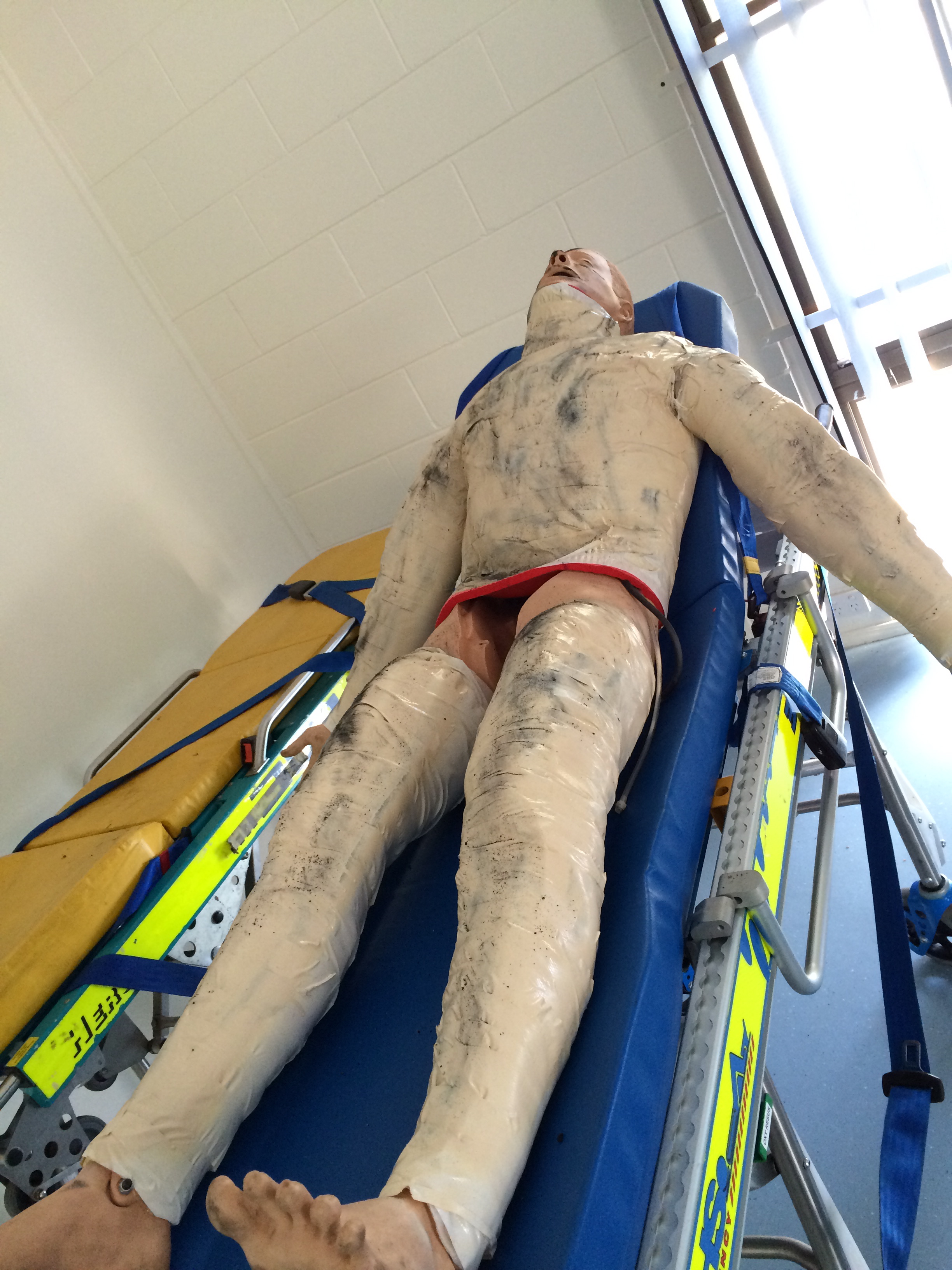
During our first Burns simulation scenario (brilliantly authored and run by Dr Morgan Sherwood) the model was put through its paces. The bleeding was quite variable depending upon where the cuts were made, but quite successful in the end.

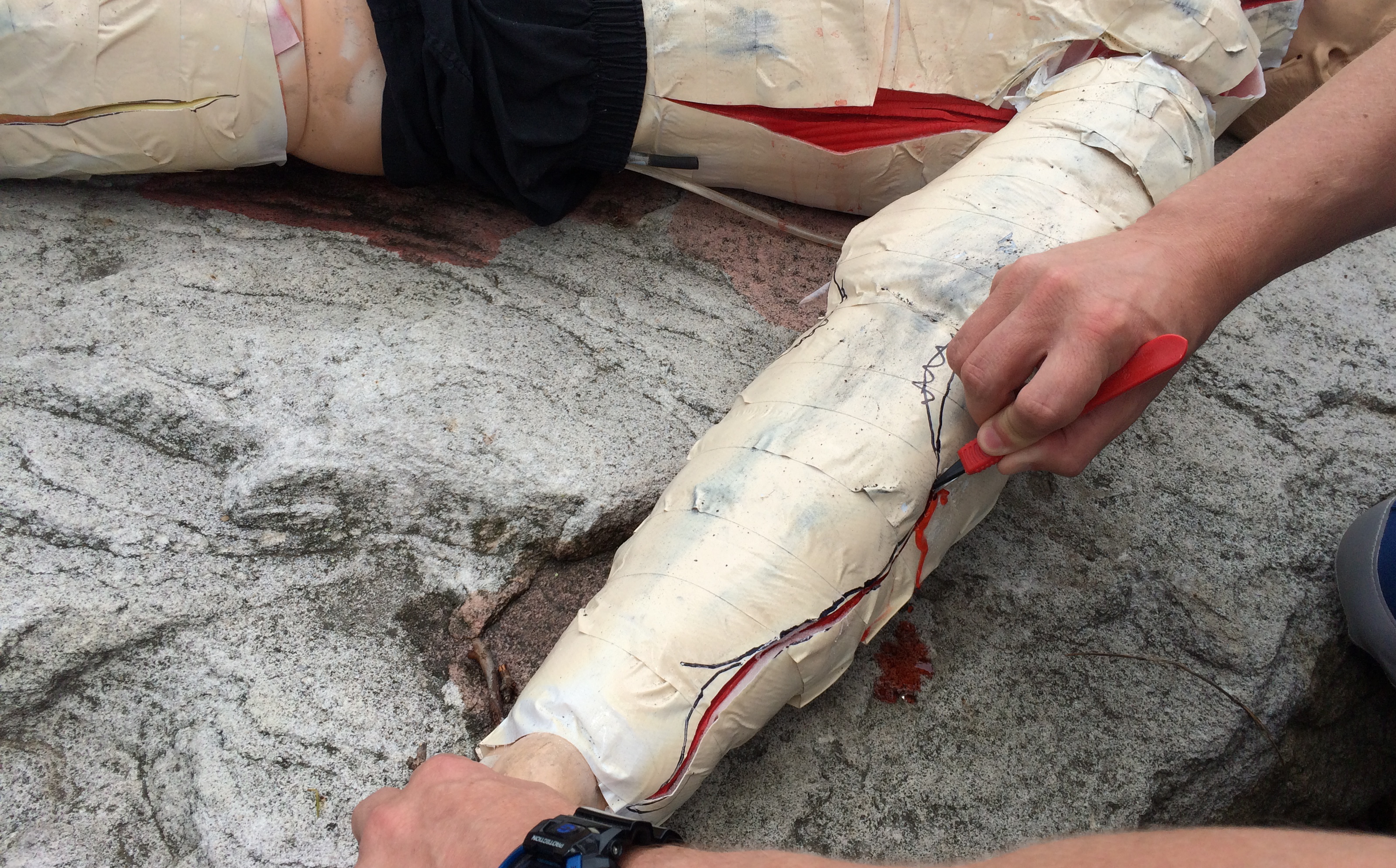
After completion of the scenario other staff had the opportunity to participate and perform their own escharotomies on unused parts of the mannequin.
I aim to refine the bleeding packets for the next time we run a burns scenario by using a larger number of smaller bags, and placing them widely in areas that may be incised.

 AiR Videos
