Paediatric Reference Cards available to download

paedscard1 paedscard2

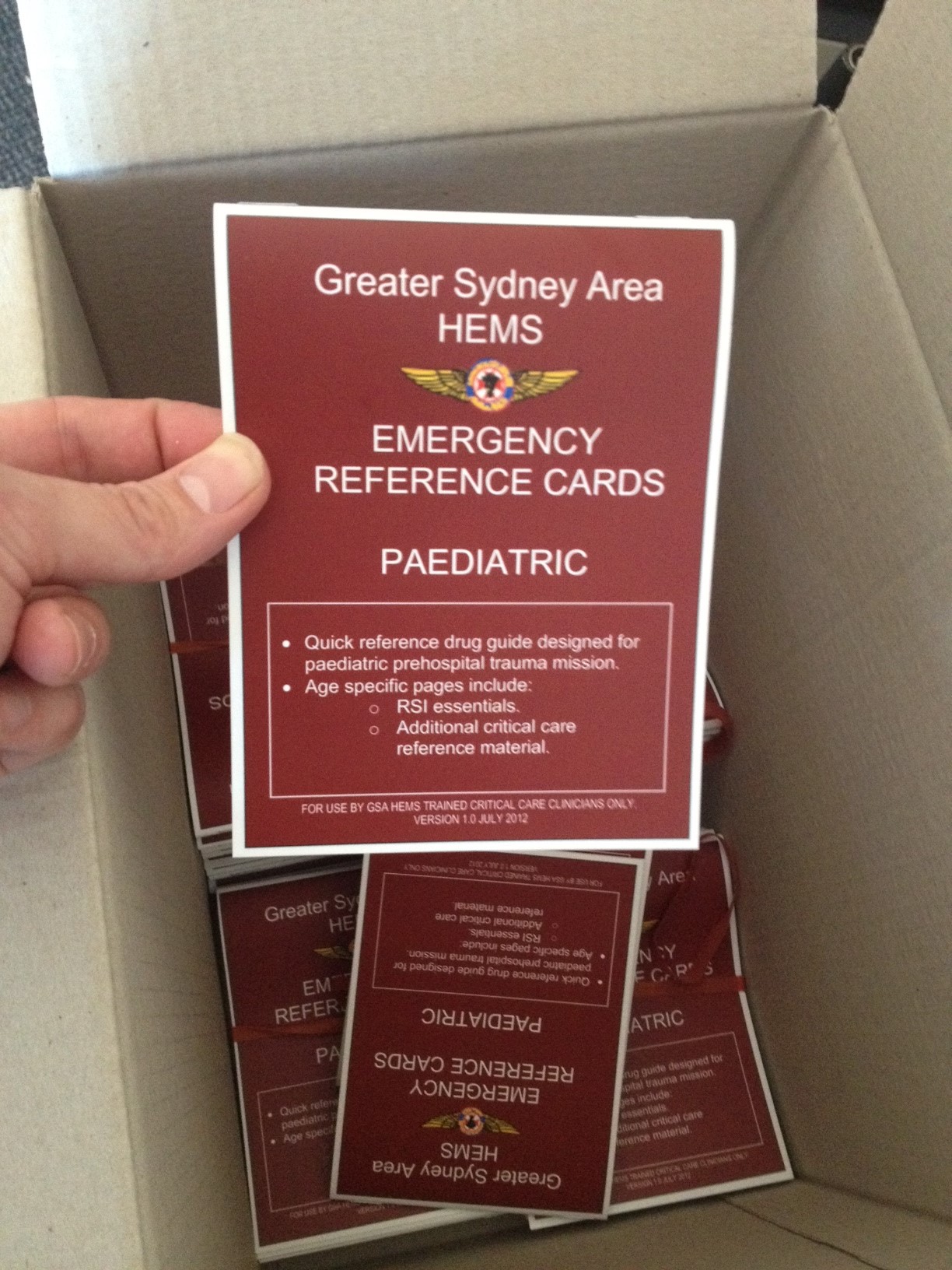
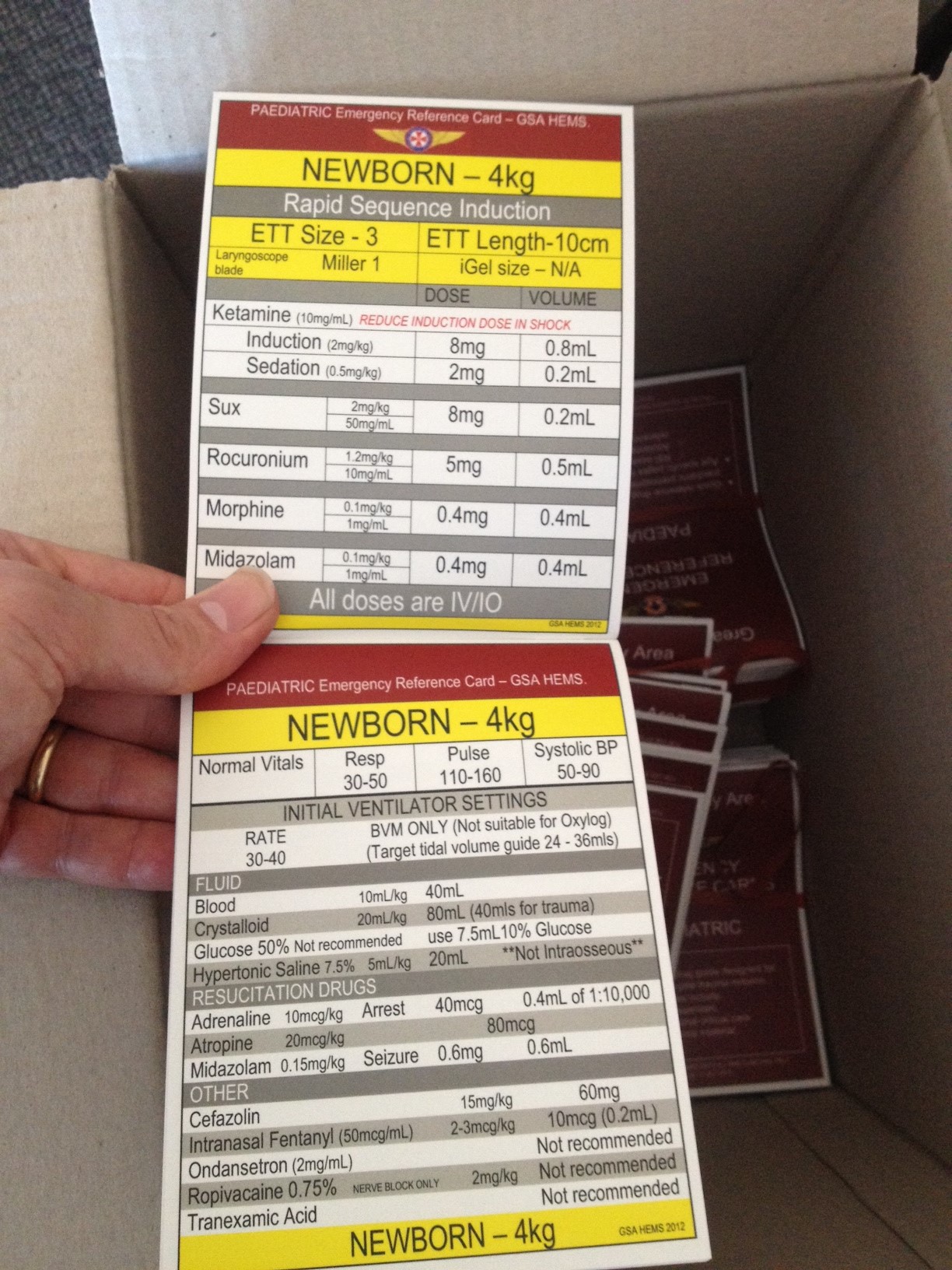
Below is a link to a simple pdf of our standardised paeds reference cards as carried in all of our emergency medical packs.

GSA-HEMS Paediatric Emergency Reference Cards

NB. The tracheal tube internal diameters (“ETT size”) are based on the fact that we only use cuffed tubes and we do not carry half-sizes in our prehospital packs, so our options are limited to 3.0, 4.0, 5.0, 6.0, 7.0, 8.0

These are also available along with the many other resources under our handily titled ‘Resources’ menu.

The drugs and doses given take a clinician rapidly through what’s required for RSI, analgesia, resuscitation, haemorrhage control and beyond for paediatric patients of a useful range of weights/ages so as to minimise absolutely the time from decision to treatment in the critical care environment.

(Note: updated to the March 2015 version 4)

Posted in General PH&RM | Tagged | 3 Comments

Canyon Awareness a core skill for Sydney HEMS

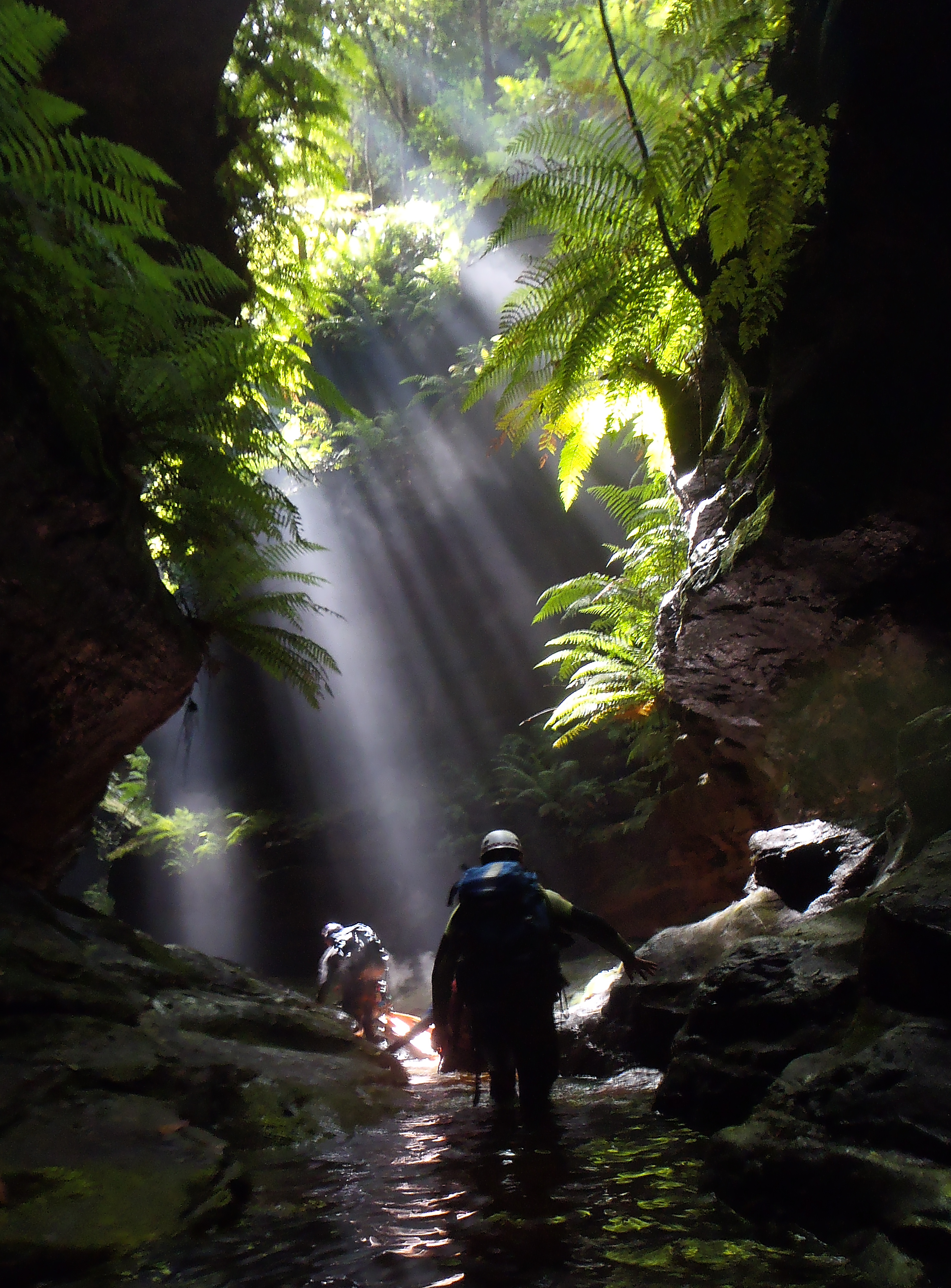
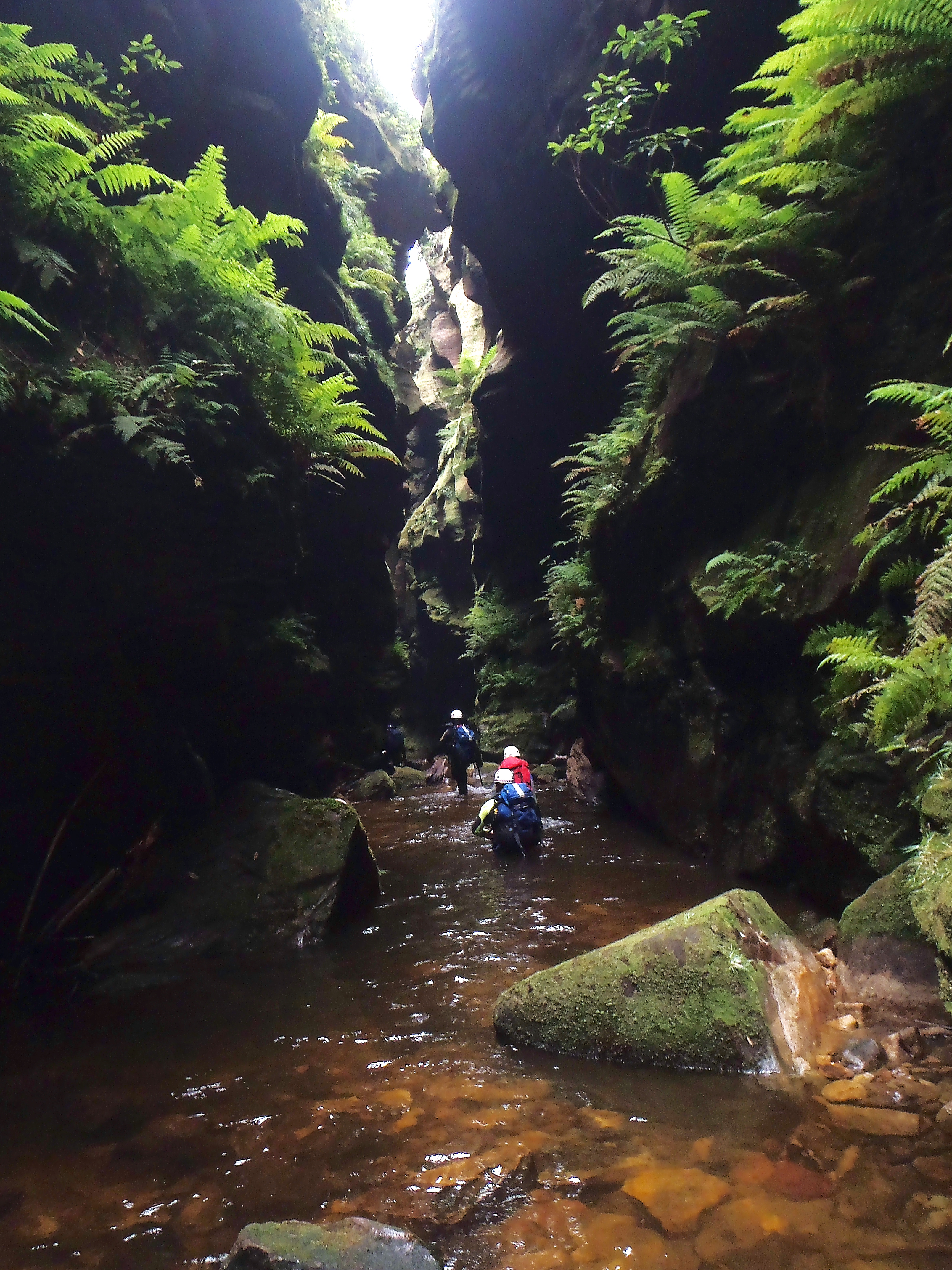
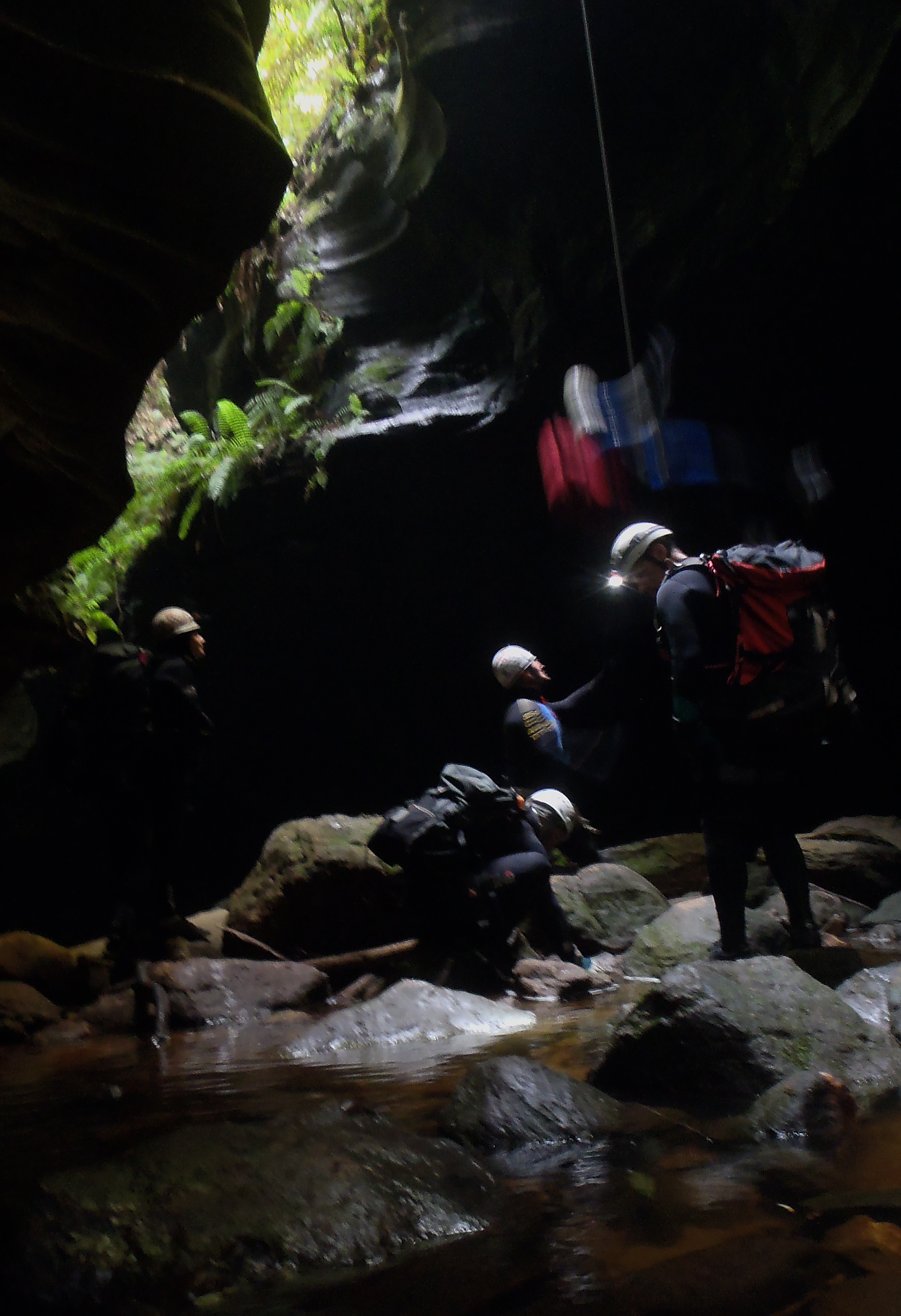
 SCENARIO – You have been tasked to a search and rescue into a canyon in the Blue Mountains. A family party of five went bush-walking and have not been seen for 4 days. The weather has precluded Police from conducting their own search until today. They tell you that two young men related to the family have refused to wait for the weather to clear and also entered the canyon from the opposite end to try and find the family themselves. They have not returned in the time they predicted and you and your team are to enter the canyon from the top end in search of these most recent presumed casualties. This was the opening scenario for our most recent batch of HEMS registrars when out for their official canyon rescue training. How would you handle such a mission? What environment are you being asked to enter? What resources could you expect? Why do Sydney HEMS feel it is vital that not only our Special Casualty Access Team paramedics are trained to the utmost for these roles but also the doctors who accompany them?

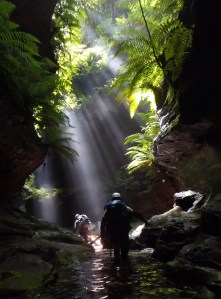
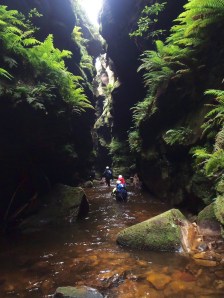
WHY WE TRAIN – Sydney is uniquely located. The Great Dividing Range is a continent long spine of hills and mountains that brushes up against the Sydney basin making it easily accessible to the five million outdoor-a-philes living there. At this point the range becomes The Blue Mountains, a roughly 11,000m2 area with long ridges up to 3,896ft above sea level, criss-crossed by a labyrinth of gorges up to 2,490ft deep.
e g

This is not an alpine environment. Our mountains are heavily wooded with dense vegetation and featuring long flat plateaus ending in sheer sandstone cliffs hundreds of meters high. The further down the canyons one ventures the more likely we are to meet our tiger snakes, scorpions, funnel webs, an array of other spiders and our good friends, the leeches. Along with the unfriendly biology, the canyons also form a trap for the elements with wind, water and cold all funnelling into these deep tight places meaning that on a 33C day above, the canyoner below might be trapped in 4C water for a prolonged period. With the increasing popularity of outdoor pursuits the canyons play host to an increasing array of bushwalkers, climbers, abseilers, mountain-bikers, hikers, campers and assorted training groups. Our rescues have included troops of scouts, army units on field exercises and more than the occasional backpacker. In the past week,on a single day we were looking at potentially four simultaneous rescue situations in the Blue Mountains at the same time. The ease with which people can get into serious trouble is summed up by one of our veteran SCAT paramedics as “90 per cent of people abseiling down a 100ft cliff have no idea how they would get back up that rope if they needed to…” Classic situations involve patients trapped by floodwaters coursing down a canyon bringing large amounts of broken timber with it, abseilers drowning whilst caught halfway down a waterfall and daywalkers missing a single exit path out of a canyon that sets them on a path that would see days if not weeks before they again hit civilisation.
487392-rescue 488036-rescue

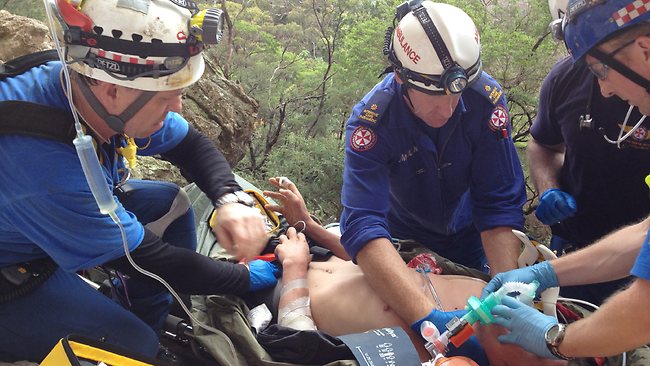
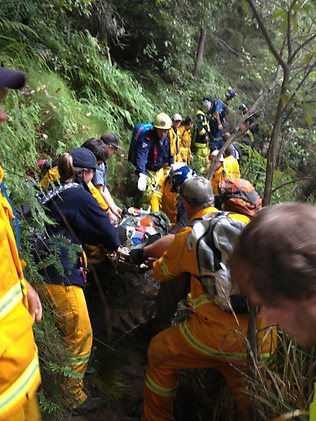
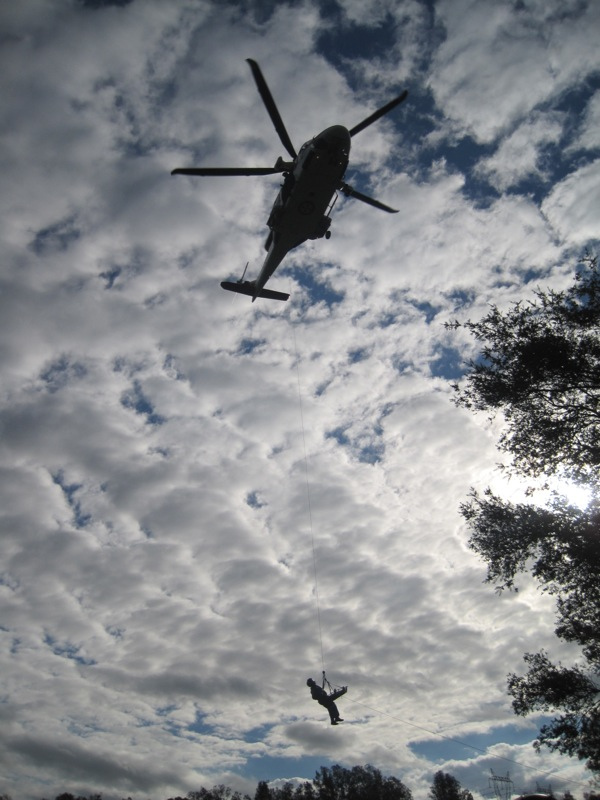
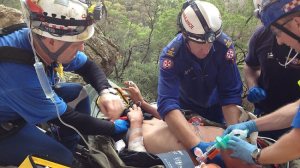
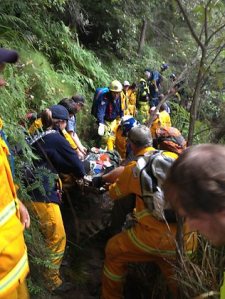
Prolonged (over 24hours) extrications of even simple orthopaedic injuries present hazards of survival in the elements to all team-members and the members of other services we call upon to assist us. Straightforward interventions such as RSI and mechanical ventilation of the compromised patient suddenly present huge logistical hurdles as seen in the recent extrication of an intubated patient.

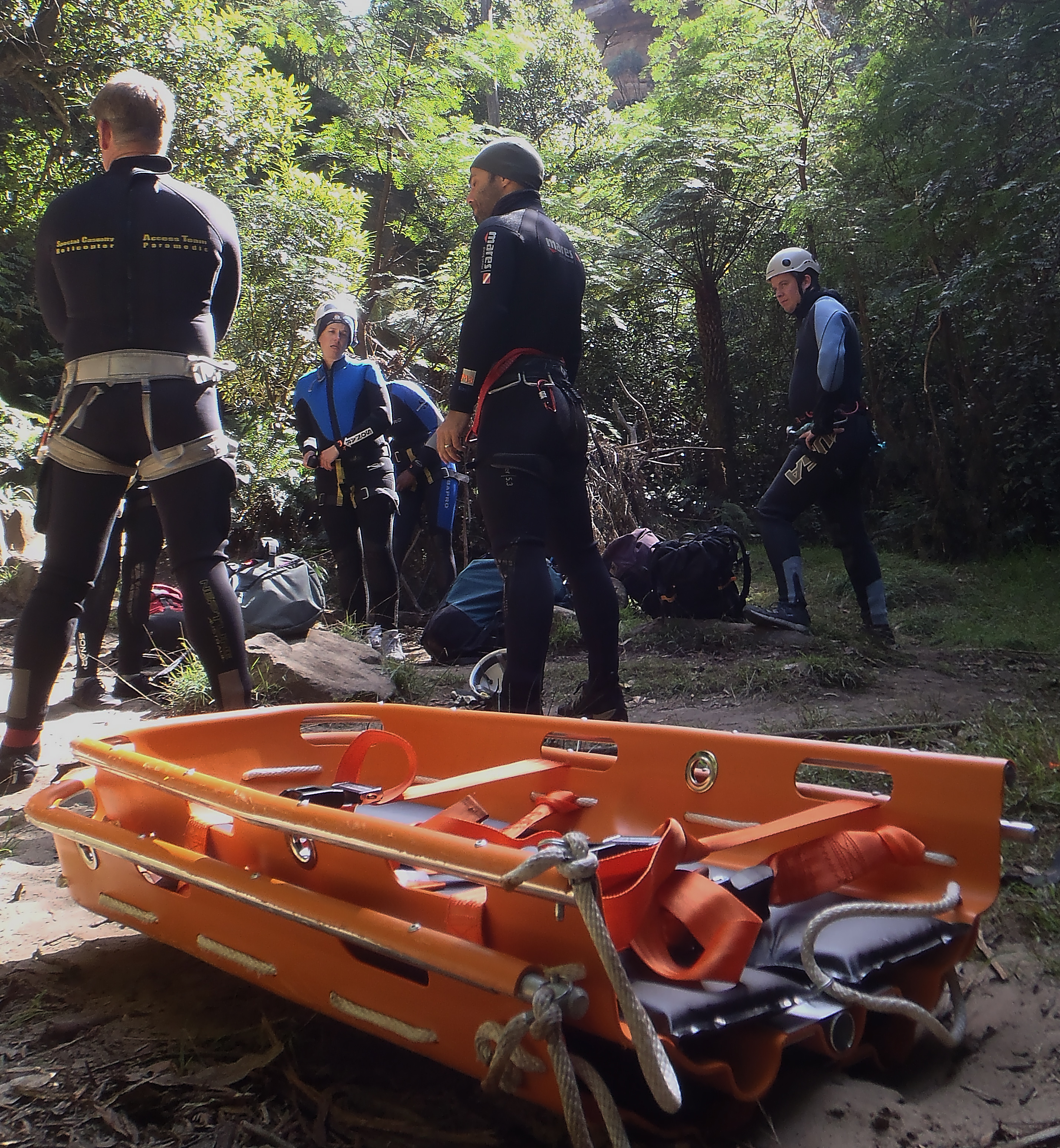
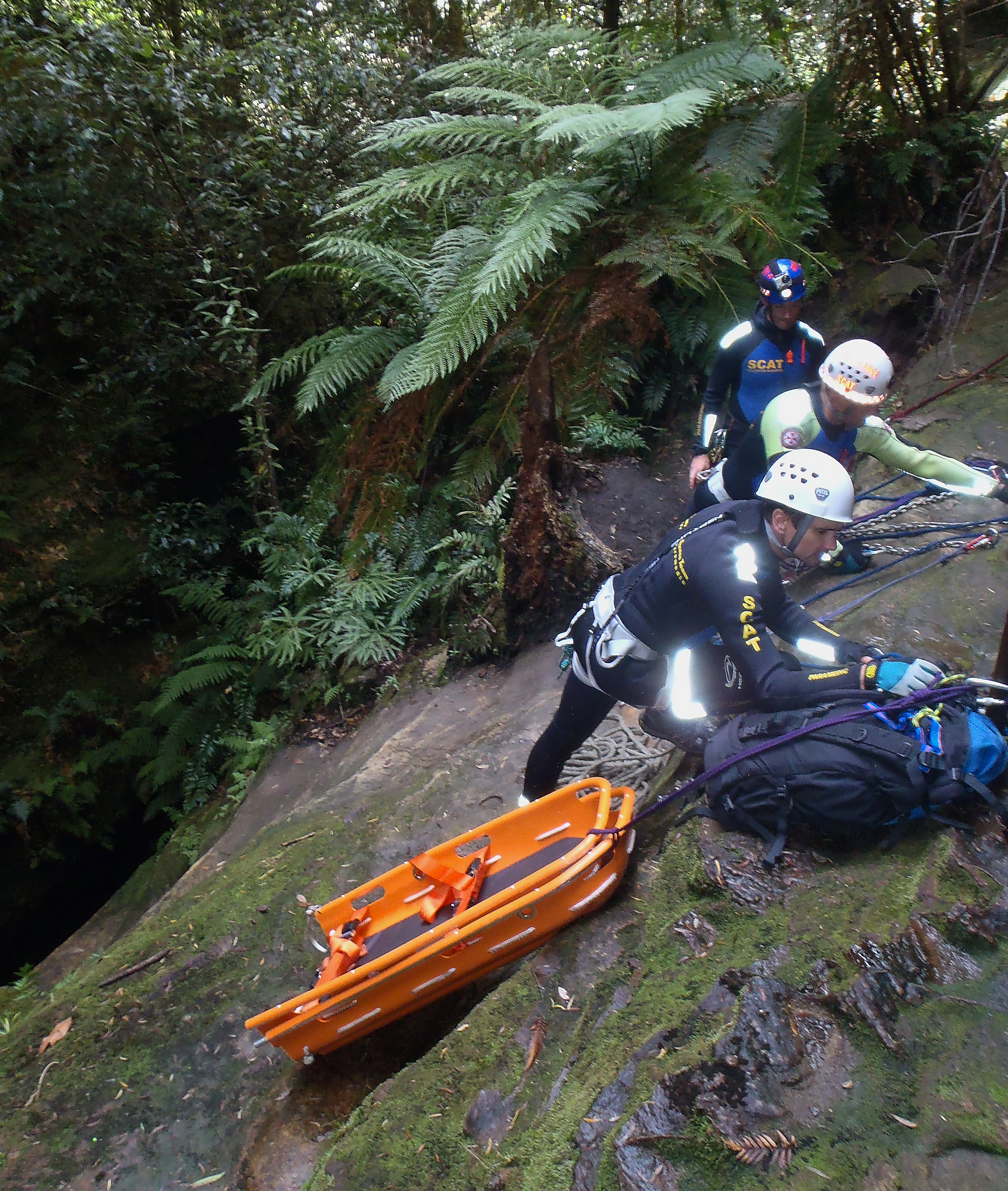
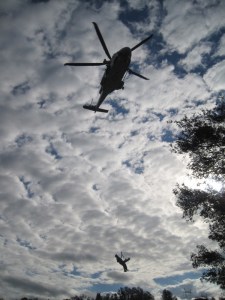
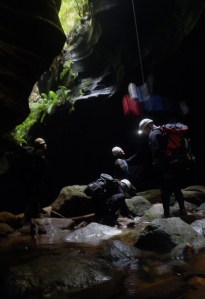
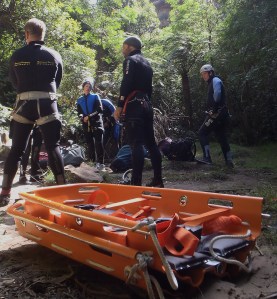
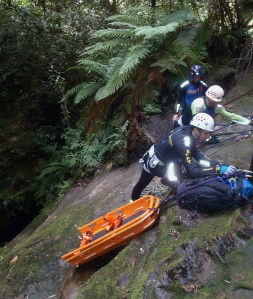
HOW WE TRAIN – Our SCAT paramedics require rope skills, water navigation skills, orienteering, mountaineering, stretcher manoeuvring and manipulation. They must work towards mechanical advantage with ropes when presented with cliff and boulder as barrier to their stretchered casualty. They must carry in over difficult terrain everything that they or their casualty (or attendant doc) might require to survive.
8509371602_2d04eecfda_b d

In passing appreciation of these challenges to our new docs the requirements including abseiling into an unseen cave, swimming/scrabbling/crawling the canyon to multiple unknown casualties, engaging in critical care interventions with limited equipment and under time pressure of approaching weather to then extricate and transport stretchered patients to a safe point of extrication. They also got a cup of hot chocolate. They were also paid to do this.
   b c   

Posted in General PH&RM | 3 Comments

SYDNEY HEMS smashes Eastenders all time ratings record??

HHEROES

http://www.bbc.co.uk/programmes/p016qnkt

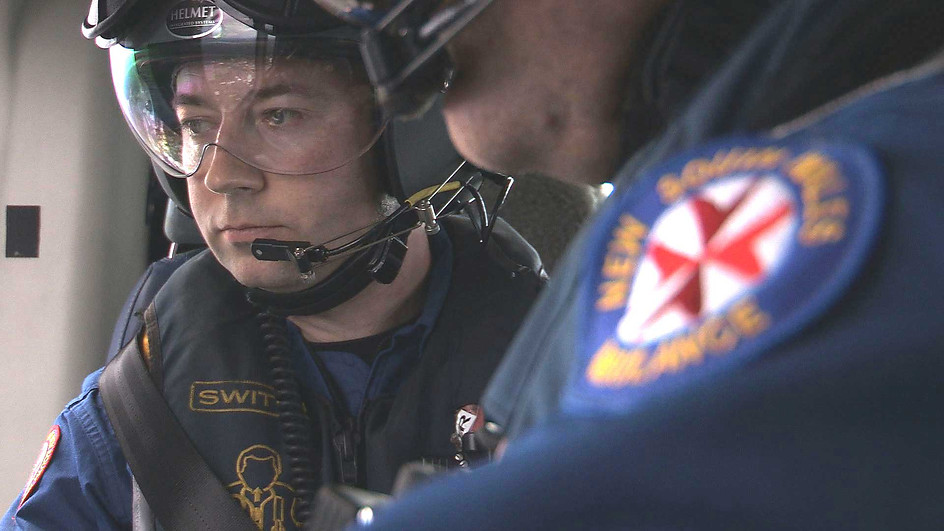
Click the above link to see the BBC’s take on the exploits of our very own HEMS doctors and paramedics as they head out on mission.

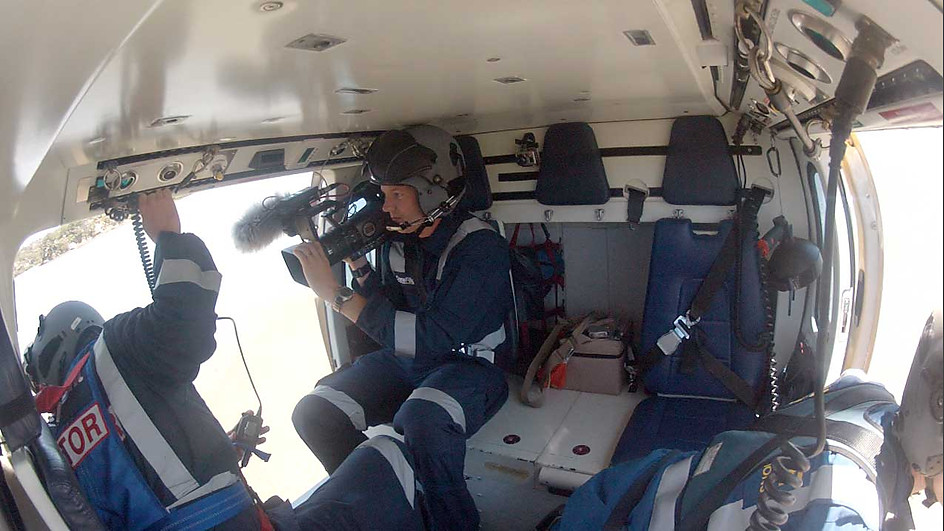
The series was filmed with ourselves over the past few months with the cameraman

HHEROES2HHEROES3

joining the crew whenever it was operationally appropriate (and a British accent likely to be heard in the cabin).

We think they’ve given a good feel for the vast cross section of patient groups, distant geography and difficult environments our service is asked to deal with every day.

NB – please note that John Glasheen (pictured above) whilst featuring in the BBC’s gallery of British docs abroad, in fact hails from Tipperary in the Republic of Ireland. We don’t believe this was due to any misdirection on their behalf but simply a result of not being able to understand his accent.

Posted in General PH&RM | 3 Comments

SMACC comedown…….solution,need more SMACC!

Well it’s all done and dusted and the academic hangover is a heavy one. However, with the highly digitised platform of proceedings it’s no surprise that for most the dream lives on in the twittersphere and various FOAMed connections that have been forged or strengthened as a result of the highly successful SMACC conference held in Sydney’s Darling Harbour, now concluded. Here are some of the Sydney HEMS docs thoughts on how the meeting of critical care avatars from around the world went:

“Engaging and dynamic speakers.”

“John Myburgh’s talk on inotropes was a vindication for my practice of picking either adrenaline or noradrenaline and using enough of it.”

“Critical care controversies discussed with an interactive platform.”

“Inspiring teaching on human factors, teaching and learning – how to be a better resuscitationist and lifelong learner.”

“A few speakers mentioned the practice of using inotropes in the setting of acute spinal cord injuries to keep the MAP above 80mmHg for up to one week post injury. I’m not sure the evidence is great for this, but it has prompted me to dig further.”

 “SMACC was unquestionably the best critical care conference ever. Amazing speakers and great buzz.”

 “I was interested to hear about the increasing early use of inotropes in sepsis, after two or three litres of fluid rather than six. This will change my practice.”

 “Great contribution from the service with 4 speakers including Cliff giving 2 inspiring talks.”

 “My 3 favourites were John Myburgh’s talk on inotropes, Chris Nickson with All Doctors are Jackasses on meta-cognition and Mr Emcrit with a talk on the Road to Mastery.”

“The conference with the most hugs I’ve ever experienced.”

How can this many happy physicians be wrong?? (NB – please note all negative commentary excluded as per standard blog policy)

Posted in General PH&RM | Leave a comment

SMACC has arrived in Sydney

smacc_headerlogo2

Here at Sydney HEMS we are very excited to be geographically close to (and thoroughly supportive of) the Social Media And Critical Care conference which begins tomorrow at Darling Harbour Convention Centre.

It brings together all the critical care specialties to discuss both cutting edge clinical care and innovation in education and will harness all the digital and online platforms which 21st century folks require to make this a face to face conference even if you’re unlucky enough not to actually be there.

For those as interested as us

Program details are at

http://smacc.net.au/program/

There is already a wealth of educational goodness on the SMACC YouTube Channel at http://www.youtube.com/user/TheSMACCchannel

You will be able to follow and interact with the sessions via Twitter – if you’re new to Twitter watch this:http://intensivecarenetwork.com/index.php/component/content/article/950-conferences-a-courses/477-twitter-for-smacc

Details on how to follow the various open access online components are at:

http://www.intensivecarenetwork.com/index.php/component/content/article/950-conferences-a-courses/479-live-smacc-down

Posted in General PH&RM | Leave a comment

Neuroprotection

EDHiconHere we discuss how to retrieve patients with neurological and neurosurgical emergencies. We present a case of a young male with subarachnoid haemorrhage, and discuss how we can optimise neuroprotection by considering the needs of a healthily functioning neuron. The Neuroprotection Helicopter Operating Procedure is reviewed.

Links:

Subarachnoid haemorrhage classification

Neuroprotection Helicopter Operating Procedure

Posted in Podcasts | Leave a comment

Interhospital patient assessment

bridgeThis third podcast provides an overview of our approach to the assessment of a critical care patient that we’re going to move from one site to another. It covers the ABCDE assessment of a ventilated patient.

For further information on the practicalities of transferring a patient on vasoactive infusions, check out this video

Posted in Podcasts | Tagged , | 1 Comment

The trapped patient

trappediconThis second podcast gives a rapid overview of the approach to a patient trapped in a vehicle. This is explored further in the Virtual Learning Environment Module on Prehospital Scene Management and in the induction course.

Concepts covered include:

The SCATTT approach: Safety, Communication, Assessment, Triage, Treatment, Transport

The COMIC acronym for tidying up your patient during the in-vehicle primary survey: Collar, Oxygen, Monitoring, IV access, Control of pain

Posted in Podcasts | Leave a comment

Introductory podcast

Podcasts will be available for new and prospective GSA-HEMS team members to access.

The first, introductory podcast is a five-minute overview of our service.

Posted in Podcasts | 4 Comments

Rapid Sequence Intubation in Retrieval Medicine

This 22 minute talk by Dr Karel Habig is aimed at new members of the Greater Sydney Area HEMS team. It covers the standardised approach we use for prehospital RSI to minimise the risks of hypoxia and hypotension. Many of the aspects of this system are also applicable to hospital-based practice.


The RSI Manual is here

The RSI Operating Procedure is here

Posted in General PH&RM | 6 Comments