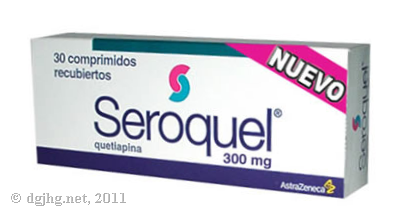
 Quetiapine Overdose
Case: A young adult male was found comatosed after suspected overdose. His regular medications included quetiapine. He required interhospital retrieval to a tertiary care facility. He was intubated and ventilated but required only minimal sedation.
Challenge: To discover the issues surrounding quetiapine overdose.
Learning points: Quetiapine is an atypical antipsychotic used in the treatment of schizophrenia. The main clinical findings in quetiapine overdose (resulting from α-adrenergic and histamine receptor blockade) are hypotension, tachycardia, and coma. The potentially life-threatening consequences from overdose include QT prolongation and respiratory depression.
The only deaths that have been reported have occurred in patients with other co-morbidites.
There is no specific antidote, and quetiapine overdose is managed by appropriate supportive measures. Ventilation is often required. Out of all the anti-psychotics, quetiapine causes the most hypotension in overdose and the patient should be monitored closely for cardiac dysrhythmias.
Reference: Ngo A, Ciranni M, Olson KR. Acute quetiapine overdose in adults: A 5-year retrospective case series. Annals of Emergency Medicine 2008; Volume 52, Issue 5, Pages 541-547.
10.1016/j.annemergmed. 2008.03.016
 Case: A middle aged male with acute subarachnoid haemorrhage presents to a hospital emergency department with a depressed conscious level following a sudden onset headache. He becomes increasingly unresponsive and requires intubation. A head CT reveals acute subarachnoid haemorrhage with hydrocephalus. He requires interhospital retrieval to a tertiary care facility


 Greater Sydney Area HEMS