
OXY’s LOG – ‘Anisocoria and Stardust…’

Take caution if you ever get tasked to a pre-hospital trauma at David Bowie’s house. His reduced level of consciousness and blown pupil might just be due to a copious amount of mind-bending drugs and the accident as a school-boy which left him with a unilateral pupillary defect.1  In my mind he still gets a tube and the paramedic can do it, but he only gets “one shot“?!?2

Anisocoria is characterised by unequal pupil sizes, but not necessarily as a consequence of mydriasis; a dilated pupil. There are also many pre-hospital causes of a unilateral miosis; a constricted pupil.3

A “blown” pupil is the colloquial term used by medics to refer to a fixed unilateral mydriasis.4

Case: Our HEMS team was called to a rural trauma involving two motocross riders. The more seriously injured victim had obvious right-sided facial and thoracic injuries, had a blown right pupil and a GCS 3 (with no external signs of head trauma). He received an RSI and bilateral thoracostomies. His pupillary signs did not improve with a bolus of hypertonic saline bolus and hyperventilation in transit.

The head CT performed at the trauma centre revealed no gross intracranial pathology requiring neurosurgical intervention, but did show a right-sided retrobulbar haematoma, which was thought to account for his unilateral fixed dilated pupil.

Challenge: To understand the pathophysiology of pupillary signs and when a “blown” pupil might not be a consequence of uncal herniation.
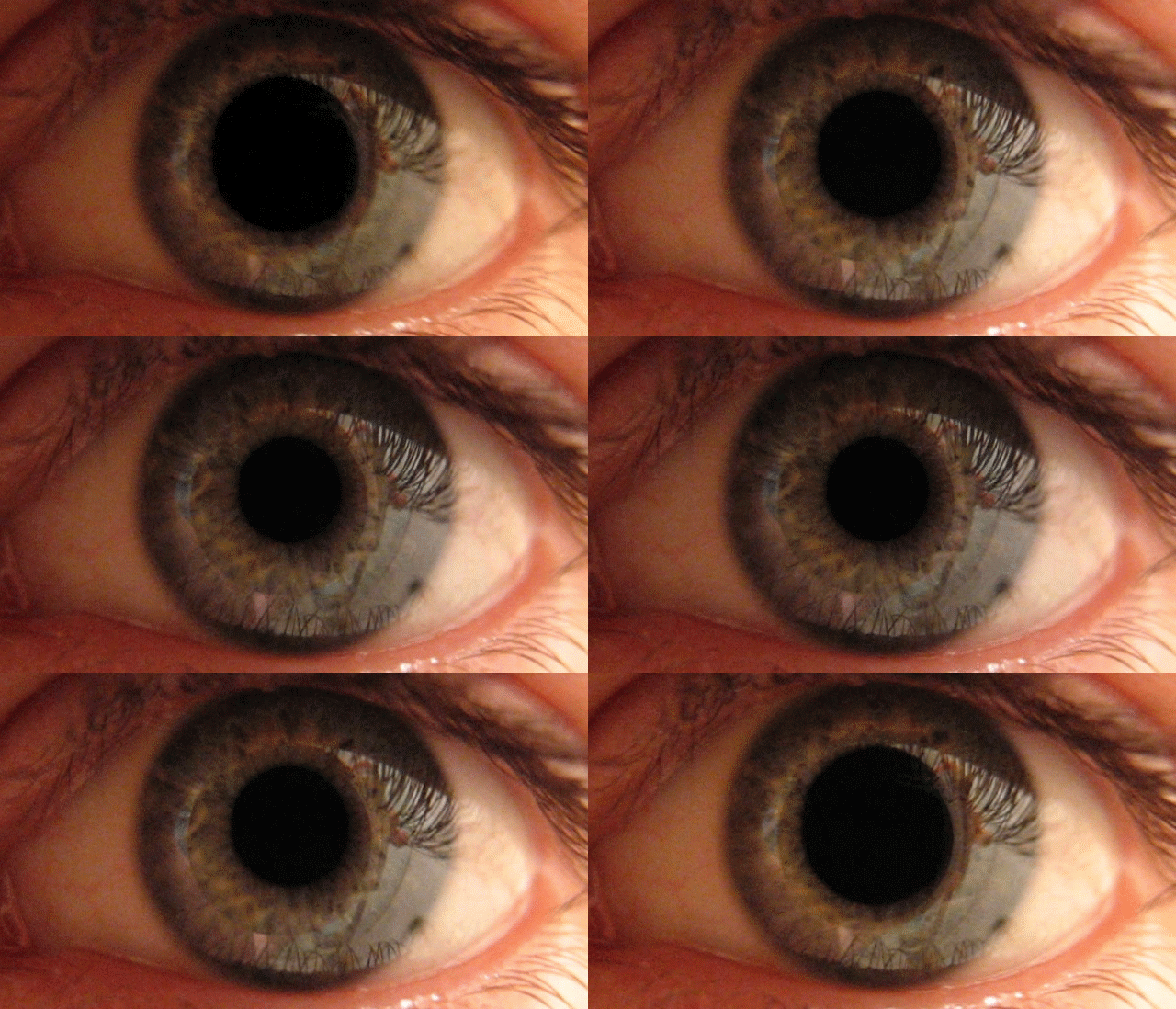
Pathophysiology: Pupillary size is governed by the balance of actions of two opposing muscle groups of the iris: the dilator and sphincter pupillae controlled by the autonomic nervous system.

Constriction of the size of the pupil is mediated via parasympathetic (cholinergic) nerve fibers that travel superficially with the third cranial nerve. The pupil will respond to circulating catecholamines but dilation is controlled by sympathetic fibres originating from the superior cervical ganglia.5,6

Each eye’s sensory pathway is linked with its counterpart by partial crossover of fibers in the Edinger-Westphal nuclei which accounts for the consensual response to light.7

Learning points: Obvious direct trauma and fake eyeballs aside, below is Fig 1. summarising the pre-hospital causes of anisocoria.

Fig 1. Summary of the pathophysiology of anisocoria. 

Summary: A fixed dilated pupil in the pre-hospital setting is presumed to be a sign of uncal herniation until proven otherwise and should be treated accordingly. However it is useful to understand the anatomy and physiology and the other possible causes of unequal pupils. 

References:

1.  http://www.davidbowie.com/

2. http://www.youtube.com/watch?v=HeJziedSijM

3. “Anisocoria.” Stedman’s Medical Dictionary, 27th ed. (2000).

4. “Traumatic Brain Injury”. American Association of Neurological Surgeons. Retrieved 27 March 2012.

5. Biousse, V., Newman, N.J., 2009. Neuro-Ophthalmology Illustrated, Thieme Verlag, Germany.

6. Kardon, R. 2005. Anatomy and physiology of the autonomic nervous system. In: Walsh and Hoyt Clinical Neuro-ophthalmology, 6th ed, Miller, NR, Newman, NJ, Biousse, V, Kerrison, JB (Eds), Williams & Wilkins, Baltimore. p.649.

7.http://upload.wikimedia.org/wikipedia/commons/a/a3/Eye_dilate.gif

8.  http://eyevideos.blogspot.com.au/

Claude os, aperi oculos!

Posted in Cases, Interhospital, Neurological | Tagged | 4 Comments

OXY’s LOG – ‘Tourner sur une nouvelle feuille de route…’

The term tourniquet originated from the French ‘‘tourner’’ meaning ‘‘to turn”. The first reported use of a tourniquet for haemorrhage control after wounding was by a french army surgeon called Etienne Morel in 1674.

.

.

Tourniquets: villain or hero?

.

Christian thrash heavy metal band formed in 1989. Their first album was called ‘Stop the bleeding’…

.

Case: The team are called to a freeway scene where a motorcyclist has hit a tree. The victim is obviously shocked and has a reduced GCS. His left leg has been severed just below the knee and the stump is bleeding profusely. The amputated portion of his limb is 10 metres away in the grass verge. The HEMS team apply a MAT* to the left thigh and then intubate and ventilate the victim. They perform bilateral thoracostomies prior to transfer by helicopter to a trauma centre. He is taken straight to theatre where the orthopods perform an above knee amputation. Before the HEMS team leave, the Crewie is asked to pick up the severed portion of the left leg. When they ask what they should do with it, the paramedic suggests he put it in the ‘boot’?!!?

Challenge: When, why and how to correctly apply a pre-hospital tourniquet.

Tourniquets fall from grace: (Not the rock band!?!)

  • Majority of external haemorrhage can be controlled by direct pressure.
  • Previously tourniquets have been used inappropriately when not clinically indicated.
  • Preventing arterial blood flow to a limb will result in ischaemia.
  • Continuous application > 2hrs can result in permanent nerve injury, muscle injury, vascular injury and skin necrosis.

The general conclusion is that a tourniquet can be left in place for up to 2hrs with little risk of permanent ischaemic injury. However the majority of the literature looks at pneumatic tourniquets in elective theatre cases with normovolaemic patients.2

Lakstein found a 5% complication rate in 110 applications of a pre-hospital tourniquet and identified a mean ischaemic time of 78 minutes with no complications.None of the complications resulted in limb loss.

Learning Points: Tourniquets are an effective means of arresting life-threatening external haemorrhage from limb injury.4 The new military trauma paradigm teaches; control of catastrophic haemorrhage takes priority over airway and breathing assessment.5

Indications:

  • Extreme life-threatening limb haemorrhage or limb amputation/ mangled limb.
  • Life-threatening limb haemorrhage not controlled by simple methods.
  • To allow immediate management of airway or breathing problems. (then reassess need in circulatory assessment).
  • Point of significant haemorrhage not peripherally accessible, e.g. entrapment.
  • Major incident or multiple casualties with extremity haemorrhage and lack of resources.
  • When benefits of preventing death from hypovolaemic shock by cessation of ongoing external haemorrhage is greater than the risk of limb damage or loss from ischaemia caused by tourniquet use.6

Pit-falls:

  • Re-perfusion injury: inflammation induced injury of previously hypo-perfused areas and organ damage from systemically released mediators.
  • Increased bleeding from distal tissues when venous outflow is obstructed but arterial blood flow is inadequately occluded.
  • After resuscitation of the hypotensive patient, a higher systolic pressure may re-start bleeding.
  • Periodical loosening, in an attempt to reduce limb ischaemia, has lead to incremental exsangination.
  • A properly applied tourniquet is painful and this has led to inadequate tightening or premature removal.

Application:

  • Familiarise yourself with your own kit. In our case, the *Mechanical Advantage Tourniquet by Pyng Medical.
  • The tourniquet must completely and consistently occlude arterial blood flow.
  • The pressure required to occlude blood flow in a limb increases exponentially with the circumference of the limb.7
  • Placement of the tourniquet as distal as possible, but at least 5 cm proximal to injury.
  • Spare joints as much as possible, ideally onto exposed skin.
  • Effectiveness determined by cessation of external haemorrhage, not by presence or absence of a distal pulse.
  • Slight oozing may still occur especially if there is medullary bone blood flow.
  • If ineffective, tighten or reposition.
  • Still ineffective, consider a second tourniquet placed just proximal to the first.
  • Application time should be recorded and device should be removed in theatre.

Consider exposing the tourniqueted limb to the environment to allow cooling or artificially trying to achieve local hypothermia.8

Summary: Use a commercial tourniquet in specific pre-hospital situations.9 Make sure the intervention has been effective and document the application time. Get the victim to a trauma theatre as soon as possible.

References:

1. Mabry, R. L. 2006. “Tourniquet use on the battlefield.” Military medicine 171(5): 352-356.

2. Wakai, A., Winter, D. C., Street, J. T., et al. 2001 Pneumatic tourniquets in extremity surgery. J Am Acad Orthop Surg;9:345–51.

3. Lakstein, D., Blumenfield, A., Sokolov, T., et al. 2003. Tourniquets for hemorrhage control on the battlefield: 4 year accumulated experience. J Trauma;54(5 Suppl):S221–5.

4. Champion, H. R., Bellamy, R. F., Roberts, P., et al. 2003. A profile of combat injury. J Trauma;54:S13–19.

5. Hodgetts, T. J., Mahoney, P. F., Russell, M. Q., et al. 2006. ABC to ,C.ABC: redefining the military trauma paradigm. EMJ;23:745–6.

6. Lee, C., Porter, K. M., Hodgetts, T. J., 2007. Tourniquet use in the civilian prehospital setting Med. J. Emerg;24;584-587.

7. Walters, T. J., Mabry, R. L., 2005. Issues related to use of tourniquets on the battlefield. Mil Med;170:770–5.

8. Irving, G.A., Noakes, T.D. 1985. The protective role of local hypothermia in tourniquet-induced ischaemia of muscle. J Bone Jt Surg;67:297–301.

9. Navein, J., Coupland, R., Dunn, R. 2003. The tourniquet controversy. J Trauma: 54(5 Suppl):S219–20.

“Sentio aliquos togatos contra me conspirare”

Posted in Cases, Interhospital, Neurological | Tagged | 3 Comments

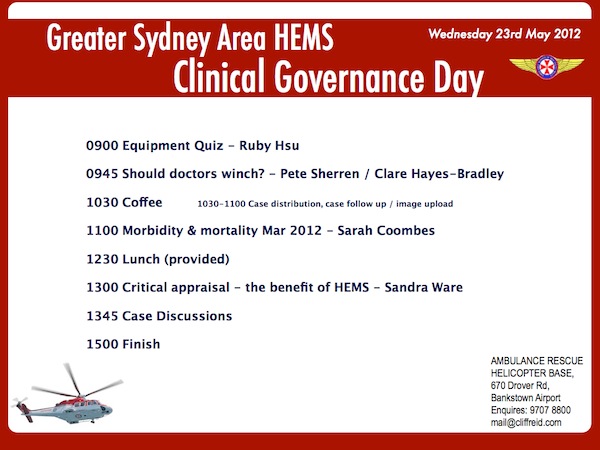
Clinical Governance Day 23rd May 2012

Posted in General PH&RM | Leave a comment

OXY’s LOG – ‘Blue-lights and Sirens…’

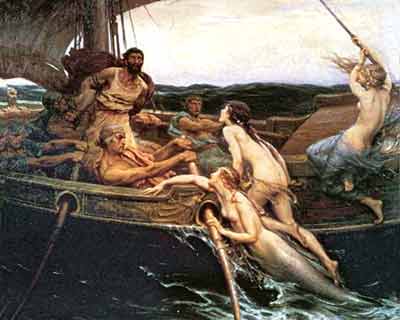
In Greek mythology, the Sirens were dangerous creatures, portrayed as femme fatales who drowned sailors with their enchanting music and voices.1

Drowning is a process resulting in primary respiratory impairment from submersion /immersion in a liquid medium.2

.

A liquid/air interface at the entrance to the airway prevents the victim from breathing air. The victim may live or die after this process.2

Case: A 15 yr old was playing with his brother outside by a dam. Their mother was unaware of the childrens’ location for 10 minutes. The alarm was raised by the brother. The teenager was found by his mother face down in the water, blue and apnoiec. She gave rescue breaths, and the boy started to breath spontaneously.

On arrival of the HEMS team, the boy is cold and smells of vomitus. His saturations are in the 80s and he is agitated with a GCS 5/15. His pupils are large and minimally reactive to light.

He receives IO access and an RSI for airway and neurological protection. During his transfer to a trauma centre, his observations steadily improved. His made a rapid recovery in the ICU and he was discharged neurologically intact.

Challenge: How do we optimise the drowning victim’s chances of a full neurological recovery?

Pathophysiology: From the point at which the airway lies below the surface of the liquid, the victim voluntarily holds his or her breath. Breathholding is usually followed by an involuntary period of laryngospasm secondary to the presence of liquid in the oropharynx or larynx.The victim then becomes hypercarbic, hypoxemic, and acidotic.

During this time the victim will frequently swallow large quantities of water. As the victim’s arterial oxygen tension drops further, laryngospasm abates, and the victim actively breathes liquid. Surfactant washout, pulmonary hypertension, and shunting also contribute to development of hypoxaemia.4

Modern day sirens or the antidote?

Learning Points: The most important and detrimental consequence of drowning is hypoxia. Oxygenation, ventilation, and perfusion should be restored as rapidly as possible. Ideally this should be initiated by the first responder.4

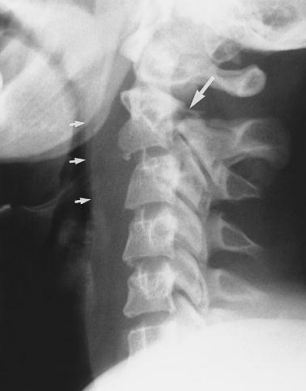
The reported incidence of cervical spine injury in drowning victims is low (0.009%).Unnecessary cervical spine immobilization could impede initiation of adequate oxygenation. Routine stabilization of the cervical spine in the absence of circumstances that suggest a spinal injury is not recommended in the AHA guidelines.

In a 10-year study in Australia, 66% of victims who received rescue breathing and 86% of those who required compressions and ventilations, vomited.So have the suction at the ready and be prepared to roll the patient if necessary.

V/Q mismatch, reduced compliance and acidosis lead to reduced O2 delivery and anoxic brain injury. This is the leading cause of death or morbidity in drowning victims.

Many of the other sequelae are actually related to the hypothermia that often accompanies drowning. Water that is <10°C has pronounced cardiovascular effects, including increased blood pressure and ectopic tachyarrhythmias. Please see a future blog for more on this topic….

Summary: Like our trusted HEMS team in the above scenario, doing the simple things well, can lead to a favourable outcome.

References:

1. Prescott, J. 1942. “Homer’s Odyssey and Joyce’s Ulysses.” Modern Language Quarterly 3(3): 427-444.

2. Idris, A., R. Berg, et al. 2003. “Recommended guidelines for uniform reporting of data from drowning.” Circulation 108(20): 2565-2574.

3. Miller, R. D., 2000. Ed. Anesthesia. 5th ed. Philadelphia, Pa: Churchill Livingstone: 1416–1417.

4. Circulation. November 2, 2010, Volume 122, Issue 18 suppl 3.

5. Weinstein, M.D., Krieger, B. P., 1996. Near-drowning: epidemiology, pathophysiology, and initial treatment. J Emerg Med;14:461–467.

6. Watson, R. S., Cummings, P., Quan, L., Bratton, S., Weiss, N. S., 2001. Cervical spine injuries among submersion victims. J Trauma;51:658–662.

7. Manolios, N., Mackie, I. 1988. Drowning and near-drowning on Australian beaches patrolled by life-savers: a 10-year study, 1973–1983. Med J Aust;148:165–167, 170–171.

“Periculum in mora”

Posted in Cases, Interhospital, Neurological | Tagged | 3 Comments

OXY’s LOG – ‘That tricky fella, human error…’

‘Errare humanum est’ 

Adapted by Alexander Pope1 in 1711 into the famous quote: ‘To err is human, to forgive divine.’

Case: A MVA victim (later retrieved by GSA-HEMS) comes into a rural trauma unit with a head injury and facial fractures. They need intubating. There are three other victims from the same MVA on their way in.  One of our specialists happens to be working an ED shift with an experienced GP anaesthetist doing a locum shift. The intubation is delegated to the GP anaesthetist so that the ED consultant is free to manage the other three victims on their arrival. The GP mistakenly intubates the oesophagus. There is no CO2 trace and no chest movement. On questioning the GP anaesthetist suggests there is a problem with the capnography module on the monitor and asks for a colour-metric CO2 detector. After this device has also revealed no EtCO2, the ED consultant removes the tube and correctly intubates the trachea. The patient was pre-oxygenated appropriately and did not desaturate during the entire intubation episode. 

Challenge: To acknowledge that we will all suffer from human error, and think about ways to reduce this leading to patient harm.

Learning points: High technology systems have many defensive layers to avoid adverse events: some are engineered (alarms, automatic shutdowns, some rely on people (medics, pilots) and others depend on procedures and administrative controls2.

In medicine their function is to protect patients becoming victims. Nearly all adverse events involve a combination of active failures and latent conditions.

Active failures are like mosquitoes: they can be swatted one by one, but they will keep coming. The best remedies are to create more effective defences e.g. to drain the swamps in which they breed. The swamps, in this case, are the latent conditions. Understanding this concept leads to proactive rather than reactive risk management.

Human error can be viewed in two ways: the person approach and the system approach. The basic premise to the ‘system approach’ model of human error is that humans are fallible and  errors are to be expected, even in the best organisations. Counter measures are based on the assumption that though we cannot change the human condition, we can change the conditions under which humans work. The important issue is not who blundered, but how and why the defences failed2

The ‘person approach’ to error focuses on the unsafe acts – the errors – of people at the sharp end. People exhibit three error types:

Mistakes (planning stage) occur when the steps in the plan are adhered to but the plan was wrong. Our case – that the GP anaesthetist performed the intubation without possessing the proper skills. 

Lapses (storage stage) are associated with our memories; when someone has failed to do something because of a lapse in memory or attention e.g. skipping a step on a check list. Our case – the GP anaesthetist forgetting to place the suction catheter under the pillow and so cannot remove the blood in the airway which is blocking their view. 

Slips (execution stage) are generally observable actions that are not in accordance with a plan e.g. mis-keyed command. Slips are most often associated with the execution phase of cognition3. Our case – the GP anaesthetist not trusting the CO2 monitors to be correct. 

There were lots of safety measures in place to prevent this patient coming to harm e.g. well equipped ED bed-spaces, trained staff, protocols, pre-oxygenation, alternative ways to check ventilation, different ways to monitor EtCO2, senior supervision and questioning and re-checking steps.  

Human reliability specialists now widely uphold the idea that productive strategy for managing human error should focus upon controlling the consequences rather than striving for the elimination of this error3. And effective error management depends crucially on establishing a reporting culture4.

Without a detailed analysis of mishaps, incidents and near misses, we have no way of uncovering recurrent error traps. The complete absence of such a reporting culture within the Soviet Union contributed crucially to the Chernobyl disaster5

Final thought: Limiting the incidence of dangerous errors will never be wholly effective but resilient organisations create systems that are able to tolerate the occurrence of errors and contain any possible damage. Comprehensive management programmes target: the person, the team, the task, the workplace and the institution as a whole6. They expect individuals to make errors and train their workforce to recognise and recover them. Their staff continually rehearse scenarios where there is potential for failure (any of this sound familiar?)

References: 

1. Pope, A., J. W. Croker, et al. 1871. The Works of Alexander Pope, J. Murray.

2. Reason, J. 2000. “Human error: models and management.” Bmj 320(7237): 768-770.

3. Hollnagel, E. 1993. “The phenotype of erroneous actions.” International Journal of Man-Machine Studies 39(1): 1-32.

4. Reason, J. 1997. Managing the risks of organizational accidents. Aldershot: Ashgate.

5. Medvedev G. 1991. The truth about Cher nobyl. New York: Basic Books.

6. Reason J. Human error. New York: Cambridge University Press, 1990.

“Cuiusvis hominis est errare, nullius nisi insipientis in errore perseverare”

Posted in Cases, Interhospital | Tagged | 3 Comments

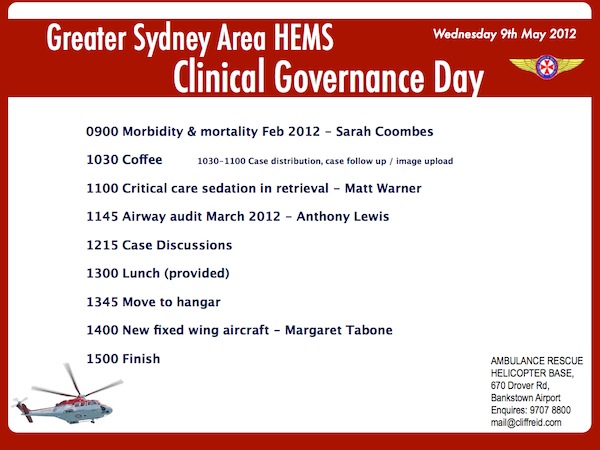
Clinical Governance Day 9th May 2012

Posted in General PH&RM | Leave a comment

OXY’s LOG – ‘Sadly just too big a hole in that pearl…’

Clam shell thoracotomy – Indications and outcomes

Case: A multiple gun shot wound victim was found at the roadside barely conscious. He was intubated, ventilated and given bilateral thoracostomies by our HEMS crew. He went into cardiac arrest and so the team decided to perform an open thoracotomy1. His pericardium was full of clot and when opened revealed a linear tear in his right ventricle. During bimanual cardiac compressions his heart felt empty. The extent of his injuries, including the one described above, were judged to be an ELE (Extinction Level Event).

Challenge: What are the indications and reported outcomes for prehospital thoracotomy?

Learning Points: Here’s an excerpt from the Traumatic Cardiac Arrest HOP:

4.6.3. Penetrating Trauma

4.6.3.1 Thoracic or upper abdominal penetrating injury resulting in cardiac arrest should initially be managed as in 4.1.1 and 4.2.1 (see below). If there are signs of life withint a 10 min window prior to team arrival and there is no response to intubation / bilateral thoracostomy, a clamshell thoracotomy should be made with the specific purpose of relieving cardiac tamponade, controlling a cardiac wound(s) and providing internal cardiac massage. A detailed description of this technique is beyond the scope of this HOP but is clearly explained elsewhere.

4.1.1 All cardiac arrest patients should be intubated without anaesthetic drugs.

4.2.1 Unless the possibility of tension pneumothorax can be reliably excluded, bilateral open thoracostomies should be made2. Needle thoracocentesis may be performed initially for reasons of access or expediency but these should not be considered to provide definitive pleural drainage.

Anterior bilateral thoracotomy (Clam Shell)Provides excellent exposure of the heart and mediastinum. The idea is that a non-cardiothoracic surgeon should be able to access the pericardium with 2-3 mins. 

Indication: Penetrating chest or epigastric trauma associated with cardiac arrest.

Contraindications: Cardiac arrest for greater than 10mins (or if there is still a cardiac output?!). Evidence from one case series suggested a poor neurological outcome for those patients who were in cardiac arrest for anymore than 10 mins3.

It is important to have realistic expectations. This procedure best tackles a single pathology – cardiac tamponade with a controllable wound in the heart. If the underlying injury is any more complex, a good outcome is unlikely. A 25 year review of ED thoracotomies conducted in 2000 highlighted survival rates based on mechanism of injury. In descending order: 19.4% for isolated cardiac wounds, 16.8% for stab wounds, 4.3% for gunshot wounds and 1% for blunt trauma4.

Summary: Clam shell thoracotomy is a useful tool in the desperate attempt to resuscitate penetrating trauma victims who are in extremis. If applied selectively, this procedure can be lifesaving.

References:

1. Wise D, Davies G, Coats T, Lockey D, Hyde J, Good A. Emergency thoracotomy: “how to do it” Emergency Medicine Journal 2005;22:22-24.

2. Massarutti D, Trillò G, Berlot G, Tomasini A, Bacer B, D’Orlando L, Viviani M, Rinaldi A, Babuin A, Burato L, Carchietti E. Simple thoracostomy in prehospital trauma management is safe and effective: a 2-year experience by helicopter emergency medical crews. Eur J Emerg Med. 2006 Oct;13(5):276- 80.

3. Davies GE, Lockey DJ. Thirteen Survivors of Prehospital Thoracotomy for Penetrating Trauma: A Prehospital Physician-Performed Resuscitation Procedure That Can Yield Good Results. J. Trauma. 2011 May;70(5):E75-8.

4. Rhee PM, Acosta J, Bridgeman A, Wang D, Jordan M, Rich N. Survival after emergency department thoracotomy: review of published data from the past 25 years. J Am Coll Surg. 2000 Mar;190(3):288-98.

“Amat Victoria Curam”

Posted in Cases, Interhospital, Neurological | Tagged | 1 Comment

OXY’s LOG – ‘Sux it, don’t stroke it…’

Succinylcholine and the hemiplegic patient

(This is a follow-up post to a previous blog regarding Suxamethonium and neurological disorders).

The hemiplegic patient does indeed present a risk. There are a number of case reports of stroke patients arresting on the end of a syringe of sux1,2,3.

Brown and Charlton4 studied 12 hemiplegic patients and observed larger muscle action potentials and smaller fade ratios when compared with the normal side. Interestingly dennervation causes a more pronounced response than immobilisation5. Age or severity of the stroke did not seem to correlate with muscle activity.

There is now evidence that a pathological isoform of the acetylcholine receptor (AChR), neuronal (nicotinic) 7AChR, not usually found in normal adult muscle, is expressed and up-regulated in muscle during denervation6. This up-regulation of AChRs, when depolarized with succinylcholine, leads to an efflux of intracellular potassium into the plasma causing acute hyperkalaemia.

The period on vulnerability to hyperkalaemia for hemiplegic patients is not well defined but case reports have suggested the period to be as early as one week5 and as late as six months1.

Others:

Some of the other conditions reported to cause hyperkalaemia with succinylcholine have included: gastrointestinal mucositis8, necrotizing pancreatitis9, catatonic schizophenia10, meningitis11, and purpura fulminans12.

Thoughts:

I guess this adds more weight to the argument to use Roc in many more time-critical intubation situations.

References:

1. Smith, R. B. and Grenvik, A. 1970. “Cardiac arrest following succinylcholine in patients with central nervous system injuries.” Anesthesiology 33(5): 558.

2. Gronert, G.A., Theye, R.A. 1975. Pathophysiology of hyperkalemia induced by succinylcholine. Anesthesiology; 43:89–99.

3. Martyn, J.A.J., White, D.A., Gronert, G.A., Jaffe, R.S., Ward, J.M. 1992. Up-and-down regulation of skeletal muscle acetylcholine receptors: Effects on neuromuscular blockers. Anesthesiology; 76:822–43.

4. Brown, J., Charlton, J. et al. 1975. “A regional technique for the study of sensitivity to curare in human muscle.” Journal of Neurology, Neurosurgery & Psychiatry 38(1): 18-26.

5. Martyn, J. A. J. and M. Richtsfeld 2006. “Succinylcholine-induced hyperkalemia in acquired pathologic states: etiologic factors and molecular mechanisms.” Anesthesiology 104(1): 158.

6. Fischer, U., Reinhardt, S., Albuquerque, E.X., Maelicke, A. 1999. Expression of functional alpha7 nicotinic acetylcholine receptor during mammalian muscle development and denervation. Eur J Neurosci; 11:2856–64.

7. Thomas, E. T. 1969. “Circulatory collapse following succinylcholine.” Anesthesia & Analgesia 48(3): 333-337.

8. Al-Khafaji, A.H., Dewhirst, W.E., Cornell, C.J., Quill, T.J. 2001. Succinylcholine- induced hyperkalemia in a patient with mucositis secondary to chemotherapy. Crit Care Med 2001; 29:1274–76.

9. Matthews, J.M. 2000. Succinylcholine-induced hyperkalemia and rhabdomyolysis in a patient with necrotizing pancreatitis. Anesth Analg 2000; 91:1552–4.

10. Cooper, R.C., Baumann, P.L., McDonald, W.M. 1999. An unexpected hyperkalemic response to succinylcholine during electroconvulsive therapy for catatonic schizophrenia. Anesthesiology; 91:574–5.

11. Hansen, D. 1998. Suxamethonium-induced cardiac arrest and death following 5 days of immobilization. Eur J Anaesthesiol; 15:240–1.

12. Kovarik, W.D., Morray, J.P. 1995. Hyperkalemic cardiac arrest after succinylcholine administration in a child with purpura fulminans. Anesthesiology; 83:211–3.

‘Qui rogat, non errat’

Posted in Neurological | Tagged | 3 Comments

OXY’s LOG – ‘It totally sux…’

Suxamethonium and neurological disorders

Case: A relatively innocuous case concerning the transportation of a Parkinson’s diseasesufferer lead onto that age-old discussion about our old friend the depolarising neuromuscular blockerand which weird and wonderful neurological or neuomuscular problems it could or should not be used for.

Challenge: To use sux or not to use sux, that is the question.

Learning points: The figure below highlights those conditions where careful consideration of the use of Sux is indicated4. Your next line of defence is Rocuronium. Given in sufficient doses, Roc has as quick an onset time as Sux in a practical setting5.

Wanky disclaimer: Suxamethonuim causes some increase in K+ in ALL that are given it. Therefore any condition that might result in an increased K+ can have a further surge in K+once given the drug3.

Reference: 

1. Parkinson’s Disease and Anaesthesia
Indian J Anaesth. 2011 May-Jun; 55(3): 228–234 Free full text

2. Suxamethonium article from frca.co.uk

3. Suxamethonium article from Update in Anaesthesia

4. Information for Health Professionals: Suxamethonium Chloride Injection B.P.

5. Rocuronium versus succinylcholine for rapid sequence induction of anesthesia and endotracheal intubation: a prospective, randomized trial in emergent cases.
Anesth Analg 2005; 101:1356–61 Free full text

“Quod medicina aliis, aliis est acre venenum”

Posted in Cases, Interhospital, Neurological | Tagged | 6 Comments

OXY’s LOG – ‘Please put me to sleep…’

Analgesia for the head injured patient

Case: A young adult attempted hanging victim with a decreased GCS was intubated and ventilated at a referring hospital. He required interhospital retrieval to a tertiary care facility. On arrival the team noted the patient was hypertensive, tachycardic and there apppeared to be patient-ventilator dysynchrony. He was sedated with midazolam only.

Challenge: How to achieve cerebral perfusion and neuro-protection.

Learning points: Clearly this patient needs to be properly sedated, but we must be mindful of the need to perfuse this potentially injured brain. It is common to aim for a cerebral perfusion pressure (CPP) of 60mmHg. If we initially assume a ICP of 20mmHg, then this patient needs a MAP 80mmHg. This patient’s cardiovascular observations will certainly tolerate an increase in sedation and his ICP and metabolic rate are not being helped by inadequate sedation. High arterial CO2 and raised intra-thoracic pressures generated by ‘fighting’ the ventilator should also to be avoided in this head injured patient.

“5.2 The ideal sedation regimen provides adequate analgesia and should be easily titratable to effect with minimal haemodynamic response”.

Adding fentanyl and increasing the midazolam infusion brought the cardiovascular parameters down to more reasonable levels and the patient’s ventilation settled, all benefiting the injured brain.

Here’s the full excerpt from the Neuroprotection Helicopter Operating Procedure:

5. Sedation and Paralysis

5.1. In order to avoid spikes in ICP it is imperative that the patient be adequately analgesed and sedated.

5.2 Movement between stretchers and changing ventilation circuitry are events which may cause patients to cough, gag or suffer arousal unless very well sedated. The ideal sedation regimen provides adequate analgesia and be easily titratable to effect with minimal haemodynamic responses.

5.2.1. Fentanyl is an effective analgesic with sedative properties and is cardiovascularly stable.

5.2.2. Midazolam has anticonvulsant properties which may be desirable.

5.2.3. Propofol is rapidly titratable, reduces cerebral metabolism and allows for neurologic assessment shortly after weaning. It may cause more cardiovascular depression.

5.2.4. Ketamine provides excellent analgesia as well as dissociative sedation. Historical concerns about its use in patients with raised ICP are unfounded, as it generally supports MAP and hence CPP.

5.3. The use of paralytic agents should be considered in all patients with raised ICP following adequate analgesia and sedation. Whilst muscle relaxants can mask clinical signs of seizure activity they are effective in preventing coughing and gagging and patient-ventilator asynchrony which can aggravate raised ICP.

4.4 Blood Pressure Manipulation

4.4.1 General Recommendations

Cerebral autoregulation in the injured brain may be impaired and a target CPP of 50- 70mmHg is recommended. However, unless an external ventricular drain (EVD) with pressure monitoring is present it is not possible to determine CPP. Blood pressure targets must therefore be empirically chosen and should be discussed with the receiving neurosurgical team.

Reference: Sedation for critically ill adults with severe traumatic brain injury: A systematic review of randomized controlled trials.

Crit Care Med. 2011 Dec;39(12):2743-51

Posted in Cases, Interhospital, Neurological | Tagged | Leave a comment